Building SEND innovation
Trinity LLC
In short:
In response to the evolving and complex needs of Trinity School’s LLC pupils, the proposed design establishes a highly adaptable, therapeutic and pupil-centred environment that prioritises safety, dignity and individual learning pathways. Through its innovative clustered arrangement, resilient circulation strategy and carefully considered relationships between internal and external spaces, the concept supports both personalised education and opportunities for gradual integration within the wider school community. The resulting building offers a cohesive long-term solution to the school’s estate challenges while creating a calm, flexible and inclusive environment tailored to the diverse needs of its pupils.
In long:
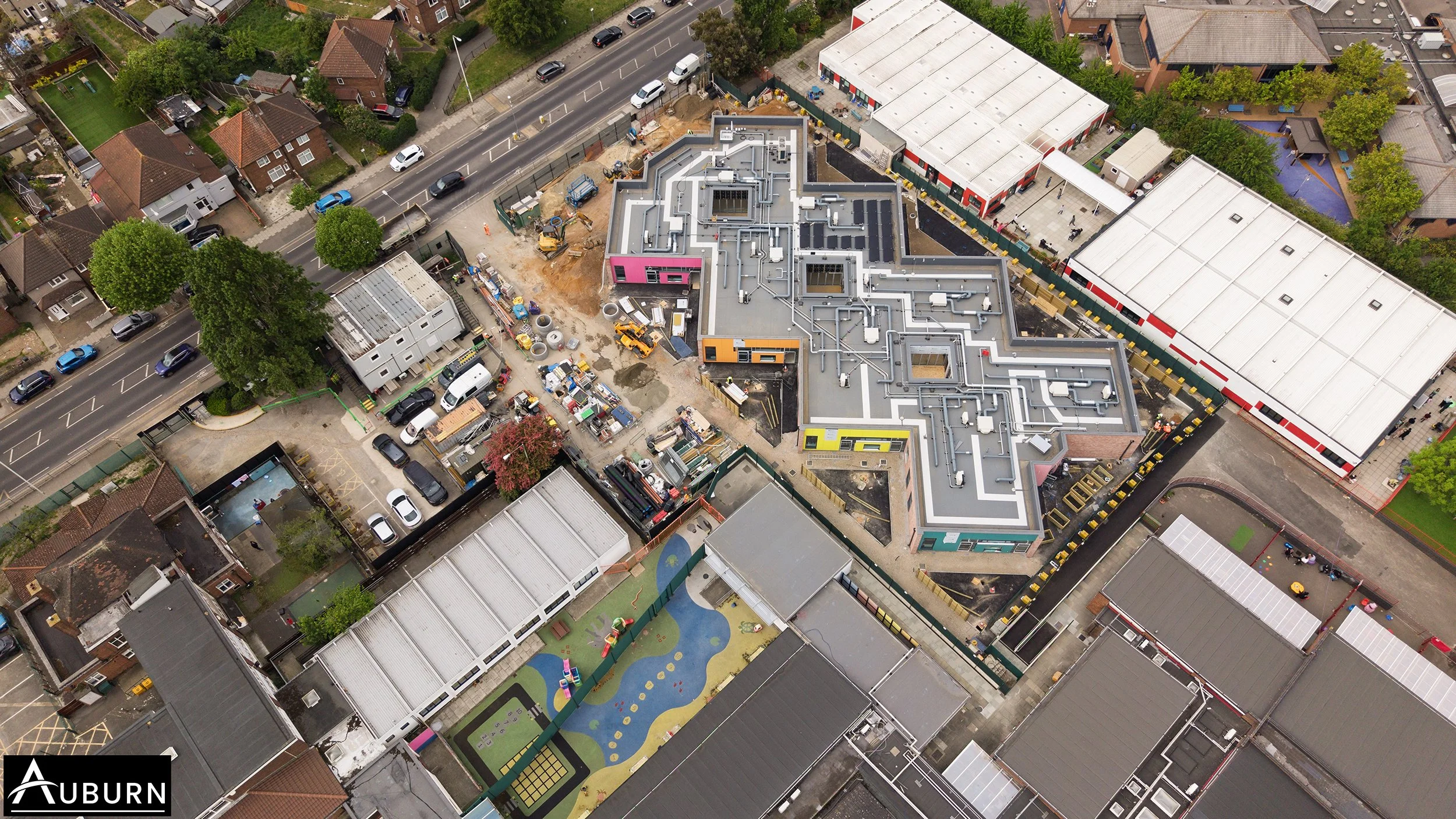
We were invited by Barking & Dagenham’s School Investment, Organisation and Admissions Team to work with them to develop a concept for a new type of educational building for Trinity School - a large SEND (Special Educational Needs and Disabilities) school with more than 300 pupils on roll. The school is spread across a sprawling site with its buildings being very much the product of years of accretive (piecemeal / infill) development.
Attendant with the school’s size and age were a number of ongoing estate challenges, including: aging and time-expired accommodation including the school’s specialist ‘Living & Learning Centre’ (LLC) for approximately 36 pupils with severe and complex needs), which was spread across several temporary/relocatable buildings and various pockets of accommodation throughout the campus.
The number of pupils accommodated within the LLC varies from year to year and throughout each year. Whilst some pupils find that the LLC provides the best permanent home, given their particular needs, others are able, over time and with support, to transition towards spending part of their day within the wider school estate, or indeed to transition completely to another learning environment within the main school.
Although every opportunity is sought to provide for social interaction and integrate the pupils in the wider school’s daily life, it remains the case that LLC pupils typically thrive with more personalised learning experiences, with many preferring not to interact with other pupils or able to tolerate only limited interactions with small groups. Some pupils find that interactions with particular other pupils can be antagonistic and so in addition to accommodating and managing transitions for small groups of pupils, it is essential to be able to separate groups within the building so as to avoid trigger situations that might give rise to pupils going into crisis unnecessarily.
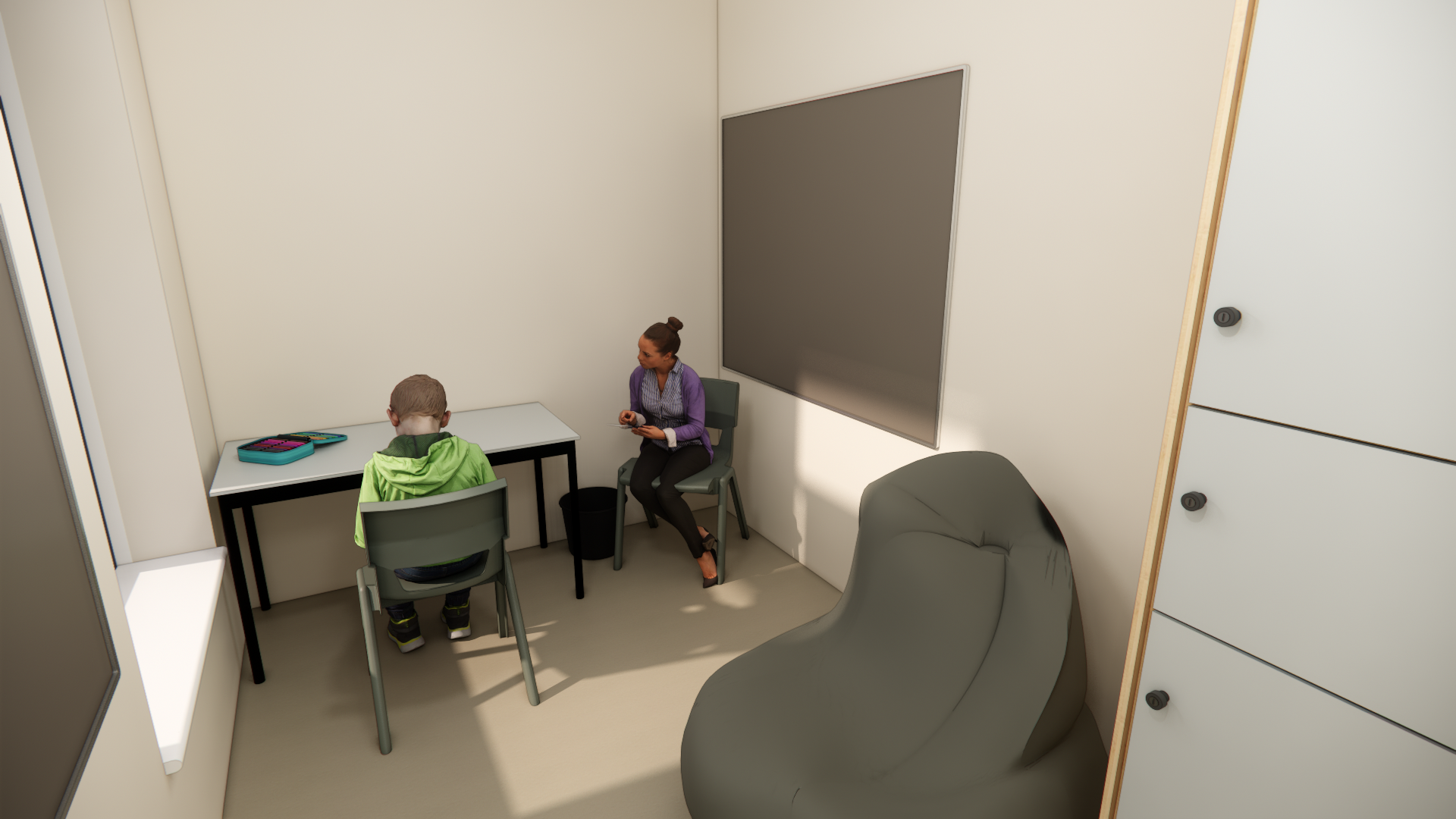
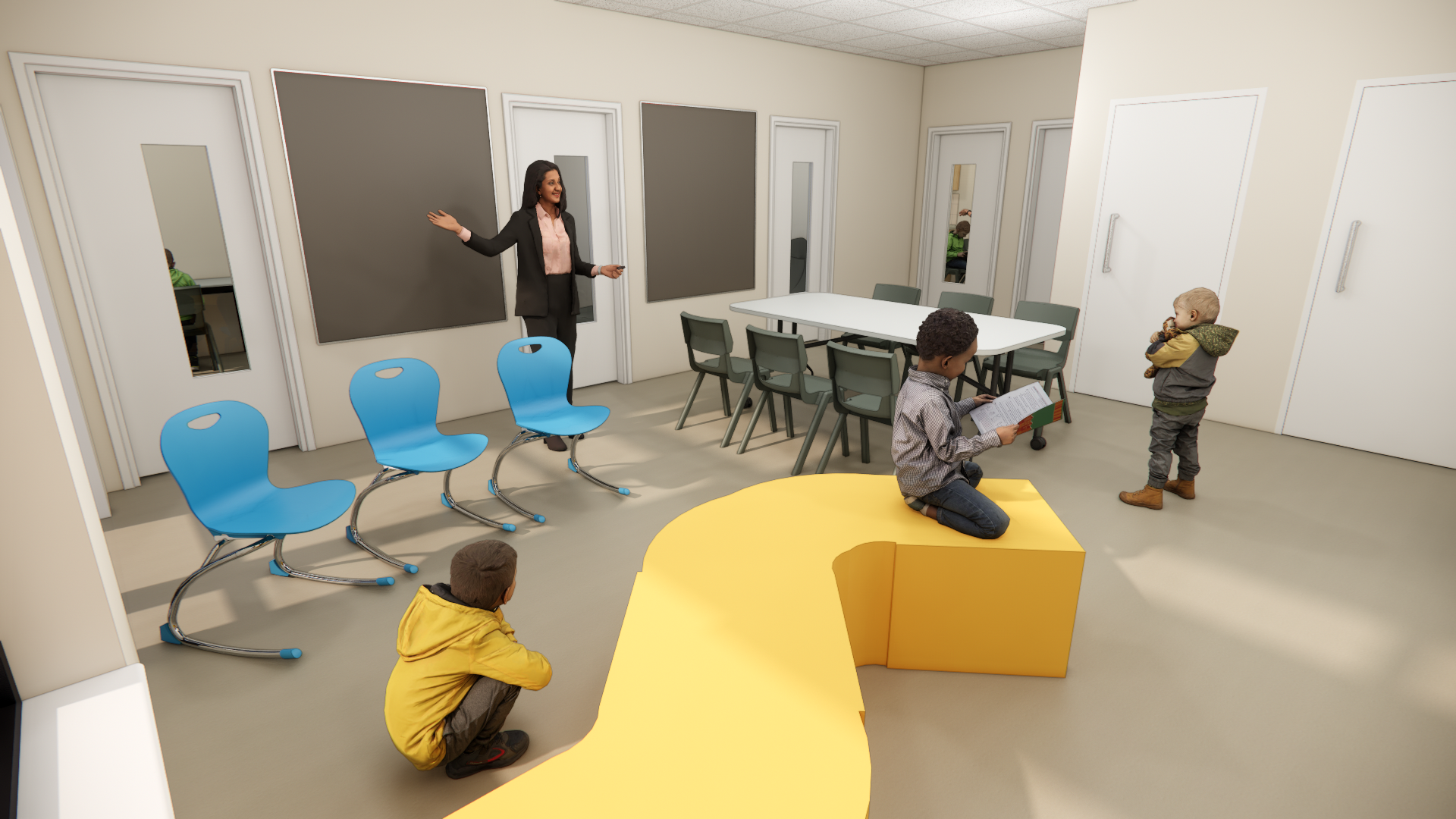
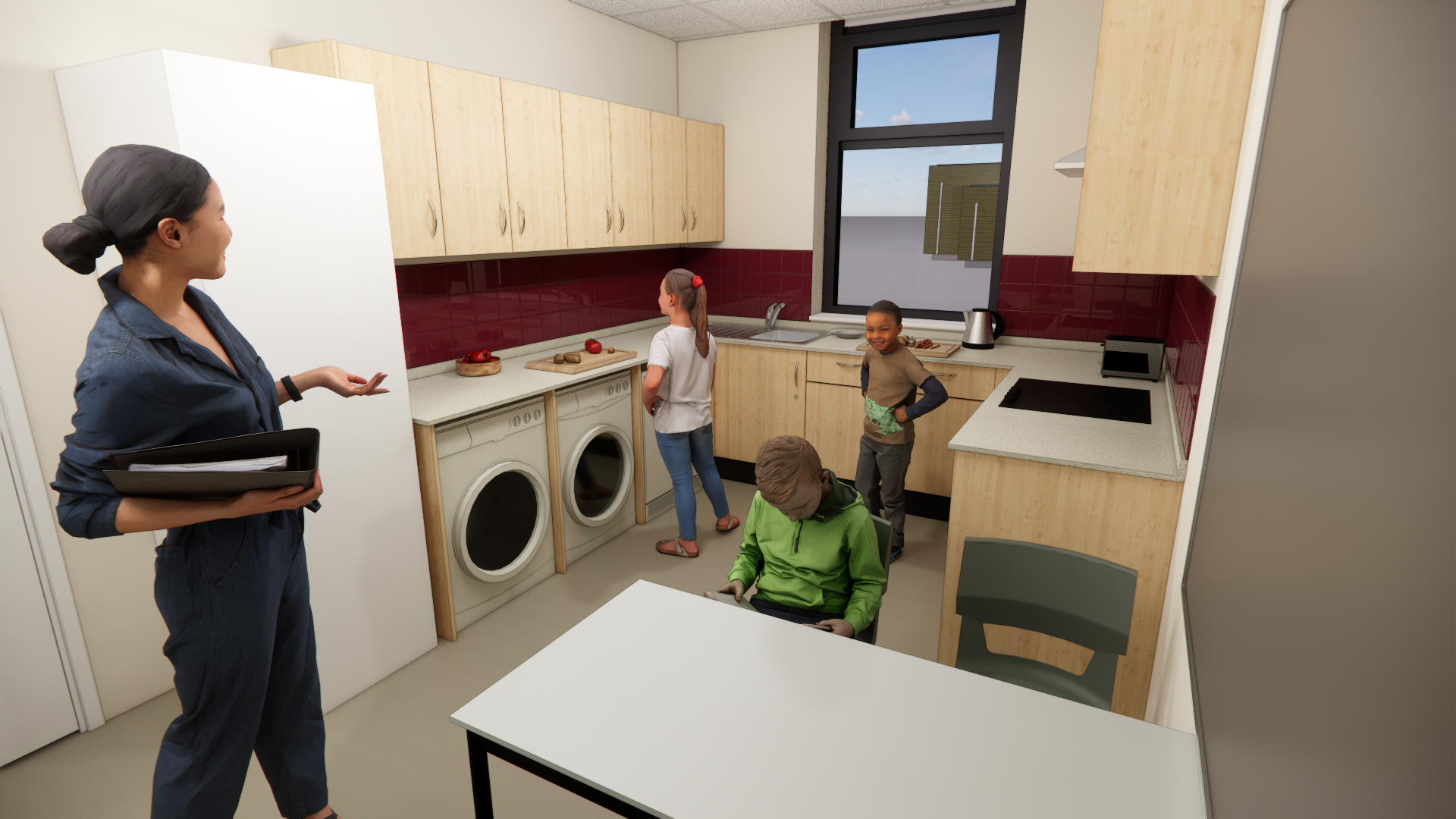
For these reasons, a concept adjacency diagram emerged that envisioned a series of six interconnected ‘clusters’ of accommodation; with each cluster containing a suite of spaces catering to the needs of six pupils, comprising 1:1 tuition spaces, a communal multi-activity space for small group learning and social activities, a domestic-style kitchen, a small therapy space and toilets. The clusters would also share access to hygiene facilities and to specialist teaching spaces for art/design activities, music/drama therapy activities and life skills development.
Within each cluster, three 1:1 tuition spaces are accessed directly from the multi-activity space whilst three are accessed adjacent corridors, providing for different spatial and transition relationships suiting pupils’ varying needs.
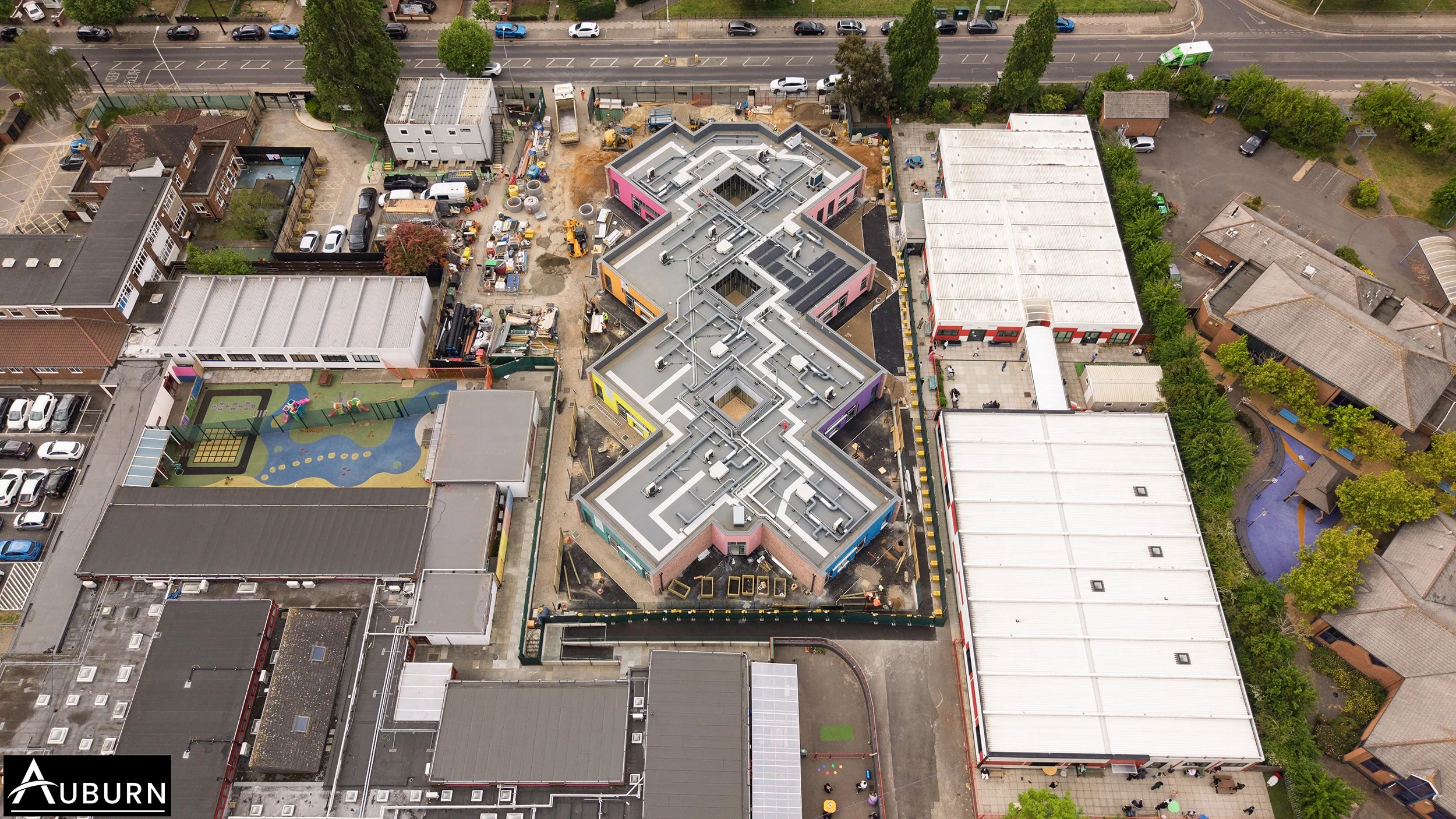
The definition of the circulation routes around the building was a critical component of the building’s design; with a ‘diamond’ configuration of back-to-back corridors meeting at nodal points between accommodation clusters providing essential circulation route ‘redundancy’. With a pupil in crisis in any part of the building, it is possible for another pupil, or group of pupils to navigate around the building avoiding the area containing the pupil in crisis, regardless of where the pupil in crisis is located. Similarly, pupils that have the potential to be antagonistic towards each other can be effectively separated at all times, removing the potential of many trigger situations that might otherwise occur.
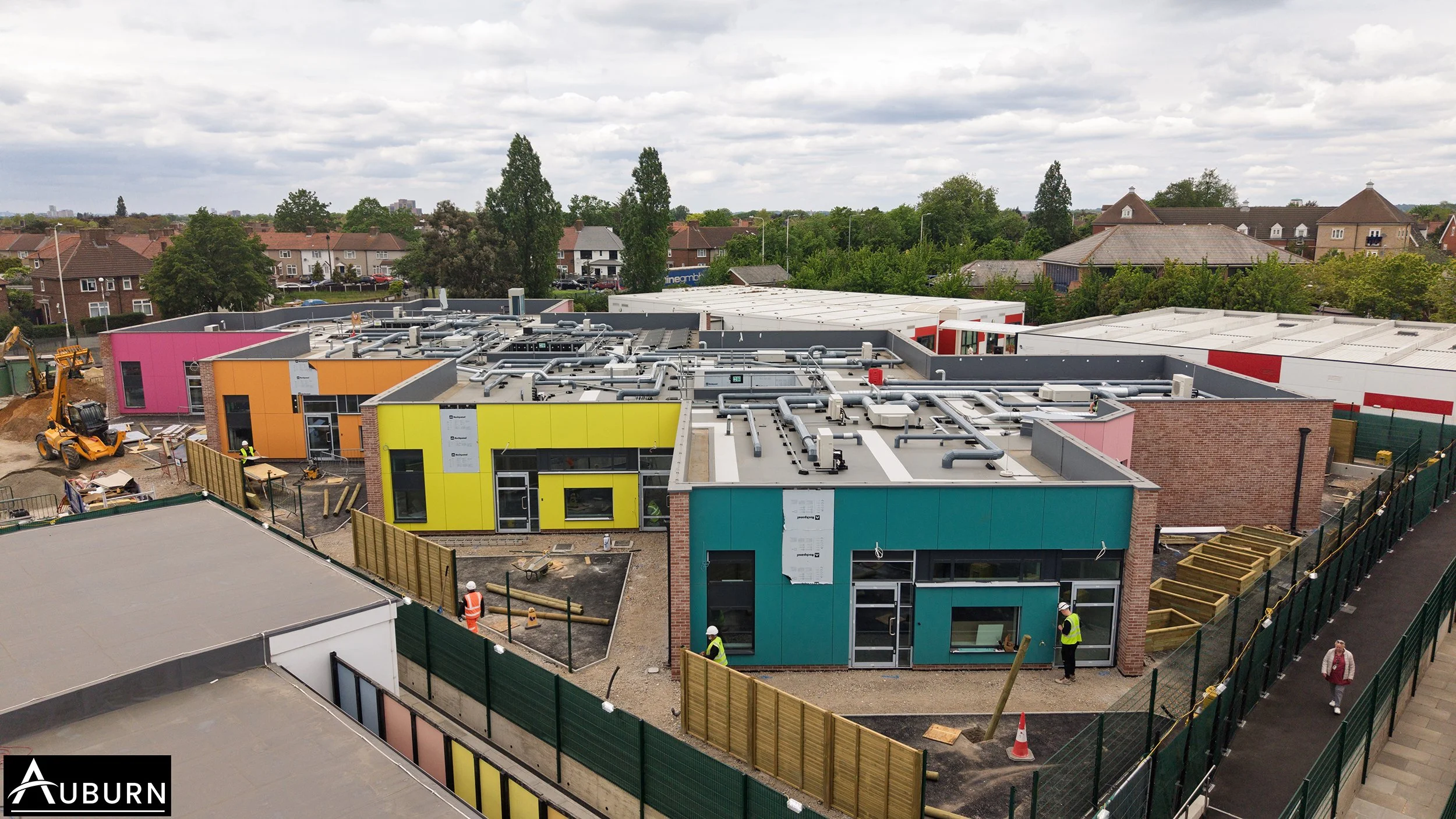
As the overall efficiency of the building’s footprint was developed, it was recognised that the ‘diamond’ orientation of the accommodation clusters would also maximise the exposure of the clusters to external wall area ensuring that as many spaces within the building as possible could benefit from daylight via windows rather than rooflights, preserving the potential to choose whether views out from each space are provided, on the basis of each individual pupil’s needs, on a day-by-day basis.
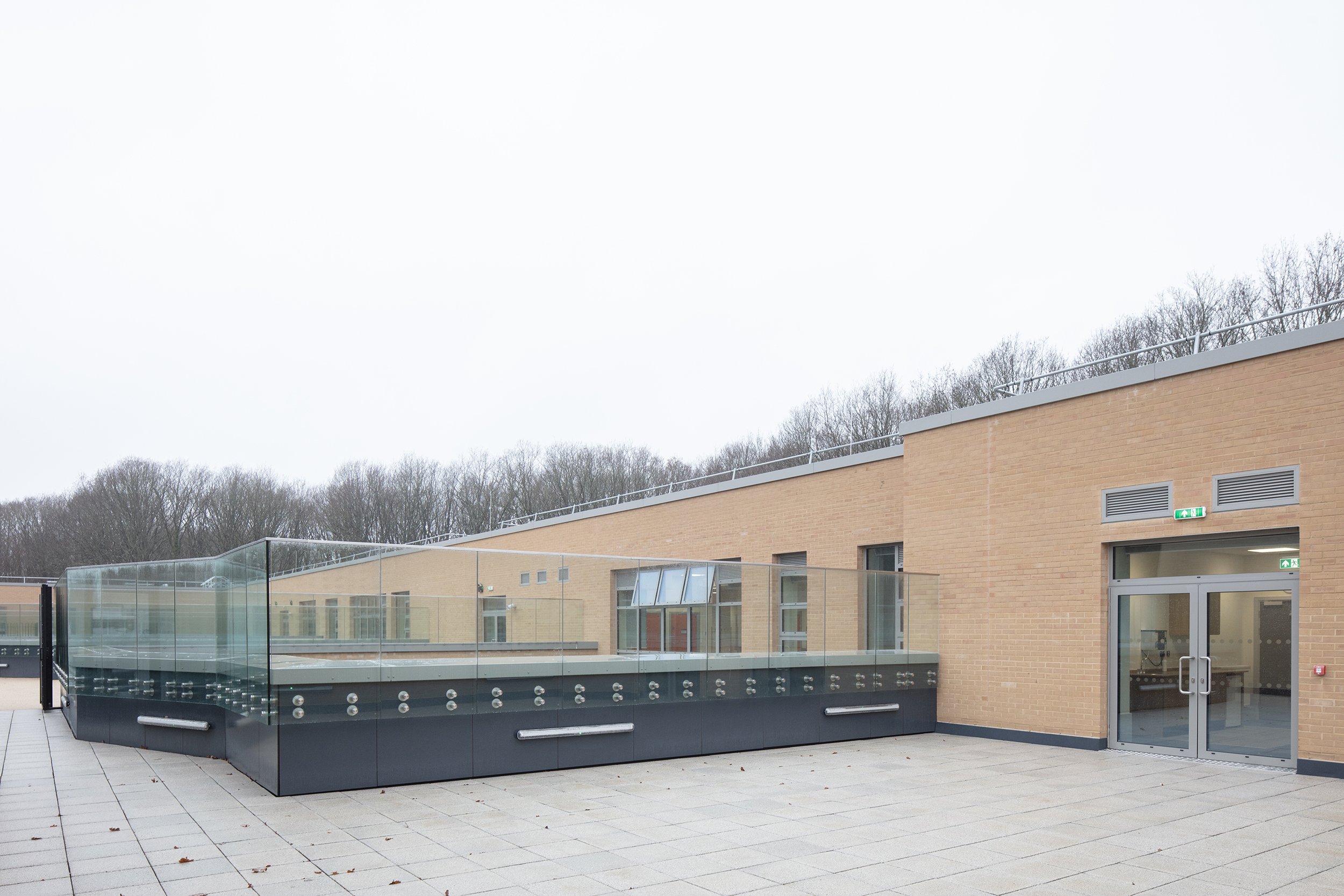
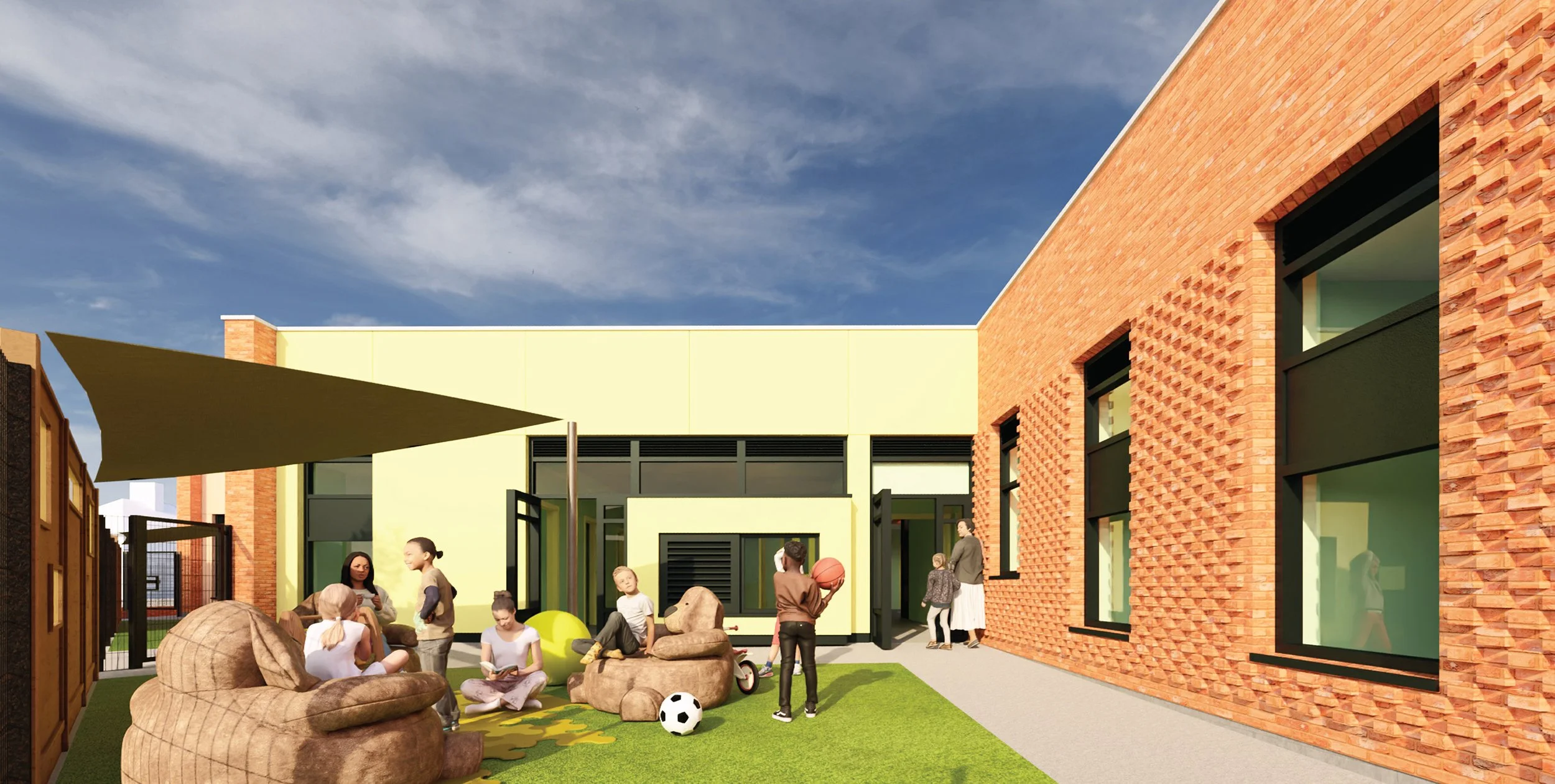
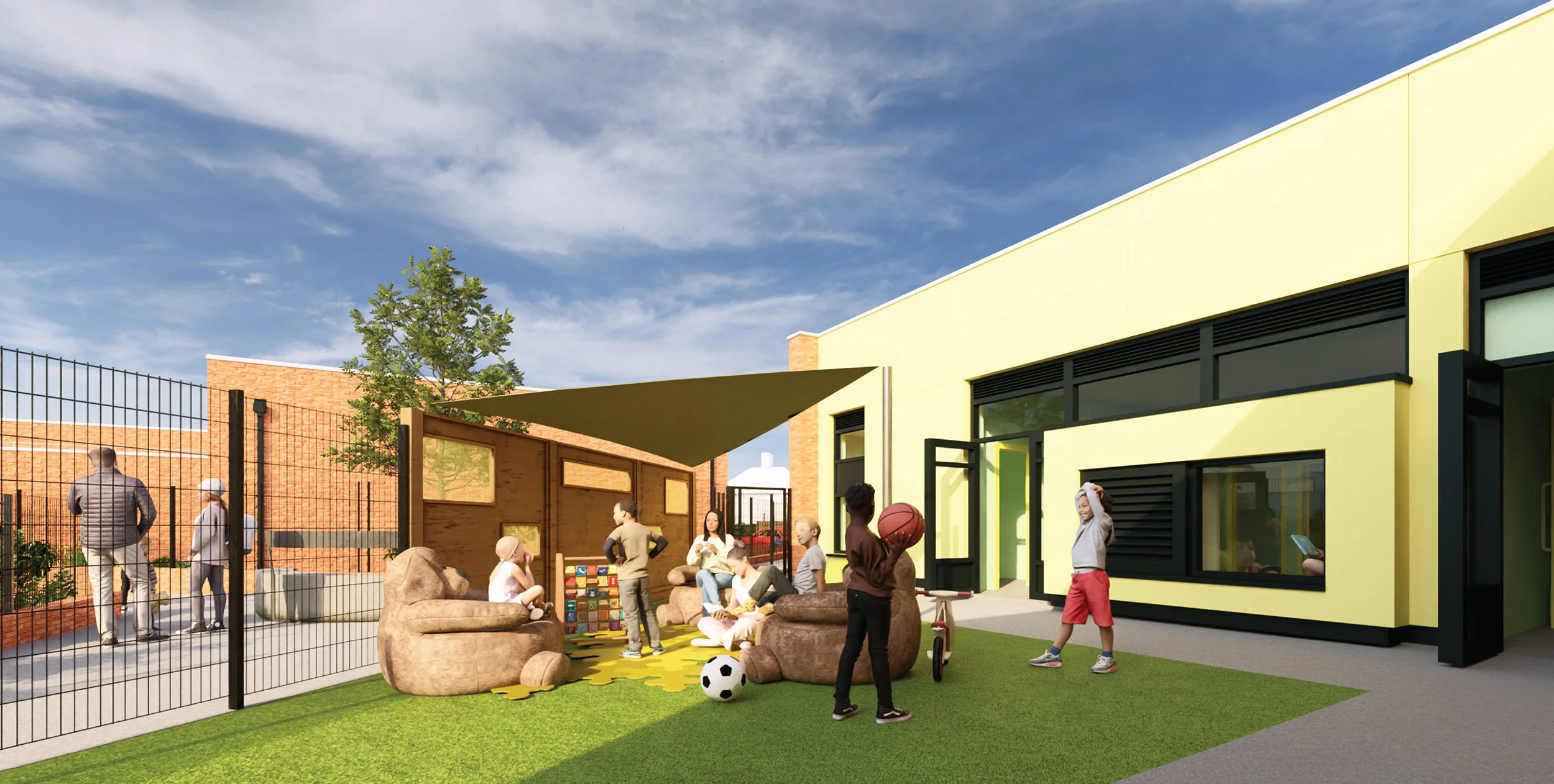
Three pocket courtyards are enclosed by the circulation routes. Sets of bi-folding doors enable the courtyards to merge with the internal circulation routes in clement weather conditions. Alternatively, the doors can be closed to provide additional quiet / reregulation spaces.
The resulting ‘diamond’ plan-form also provides an undulating perimeter building wall that forms discrete pocket outdoor spaces with direct relationships to their respective clusters. Each home base enjoys its own ‘front door’ and its own colour scheme (comprising a unique coloured façade area and internal feature wall decoration) for enhanced wayfinding and identity establishment).
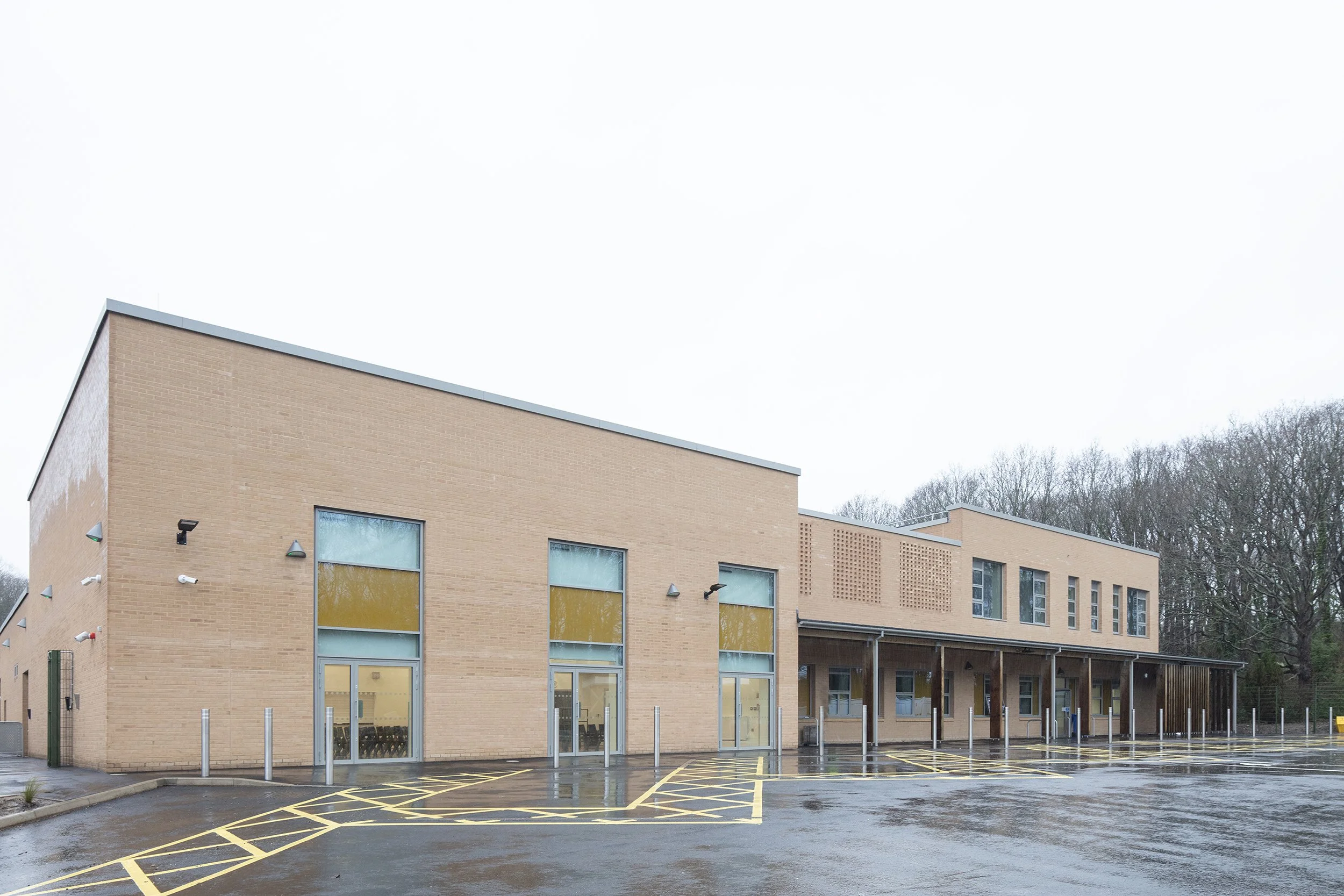
A range of support and staff spaces are arranged towards the western end of the building fronting the Heathway. A main entrance is located here for the secure reception of pupils and parents/carers. To the eastern end of the building, a similar lobby provides a transition to an external circulation route which connects the LLC to the spine corridor serving the main school accommodation.


The Rectory
In short:
The completed concept transforms a neglected former library into a welcoming, non-institutional environment designed to rebuild confidence, routine and social engagement for children unable to access conventional educational settings. Through a careful balance of therapeutic spaces, calming architectural language and strong connections to outdoor environments, the proposal creates a safe and supportive setting that encourages gradual participation and progression towards sustained school attendance. By integrating educational, therapeutic and family support functions within a warm and adaptable environment, the project demonstrates how thoughtful design can play a vital role in supporting some of the borough’s most vulnerable young people.
In long:
We were invited by Barking & Dagenham’s School Investment, Organisation and Admissions Team to work with them to develop a concept for a multi-agency facility to support a number of children in the borough who were unable to cope with existing educational environments and, for various reasons, had been excluded from mainstream and SEN schools (and PRUs); only receiving a few hours of home tuition/support per week.
The ambition was to turn a small, dilapidated former local library into a place unlike a school, that children would be able attend, with increasing regularity and for increasing periods of time, as a stepping stone towards regularised school attendance; either SEN or mainstream. The space was to accommodate children of all ages, their parents and carers (as required), visiting professionals from various agencies and the space’s own operational and teaching staff.
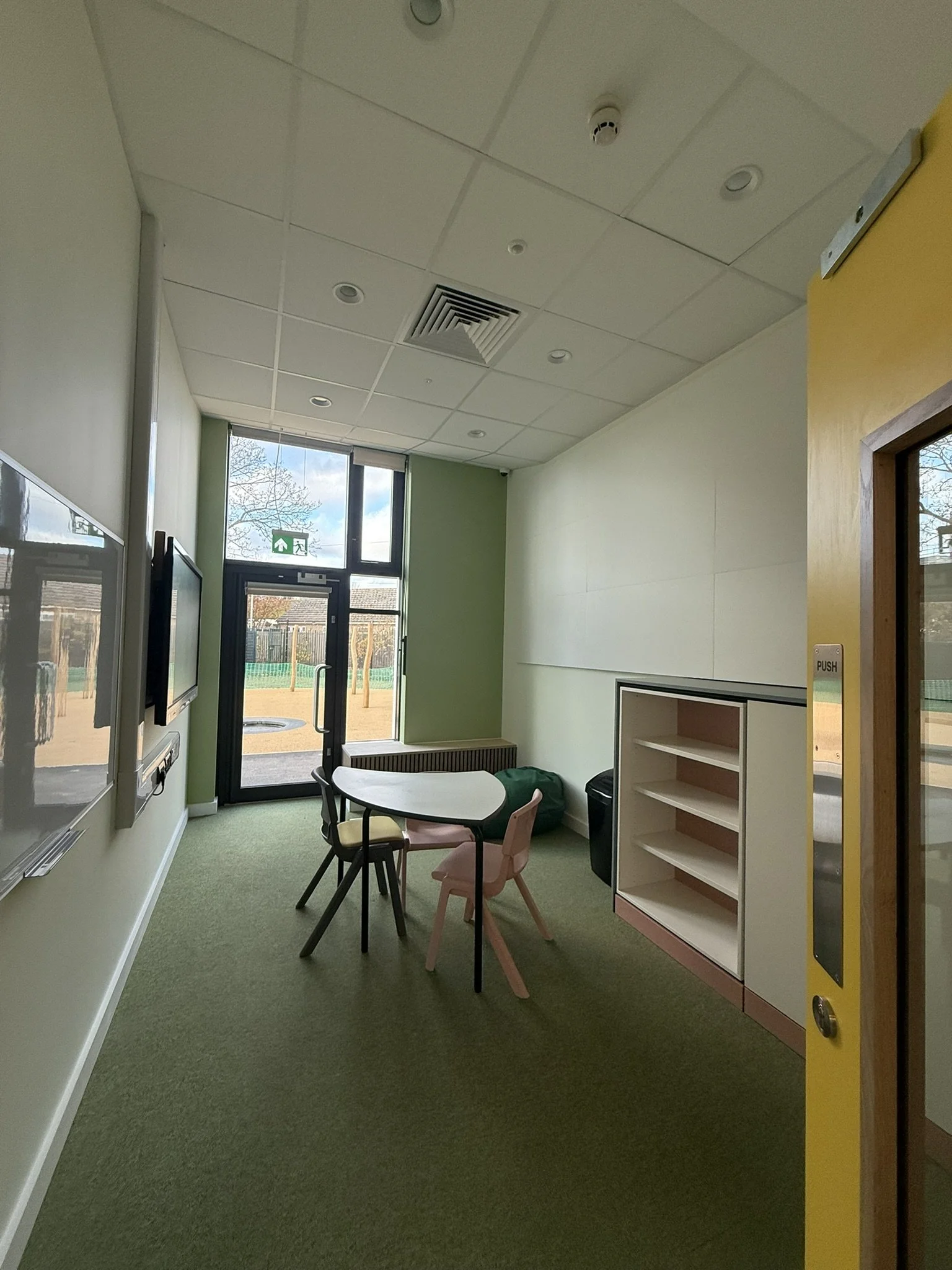
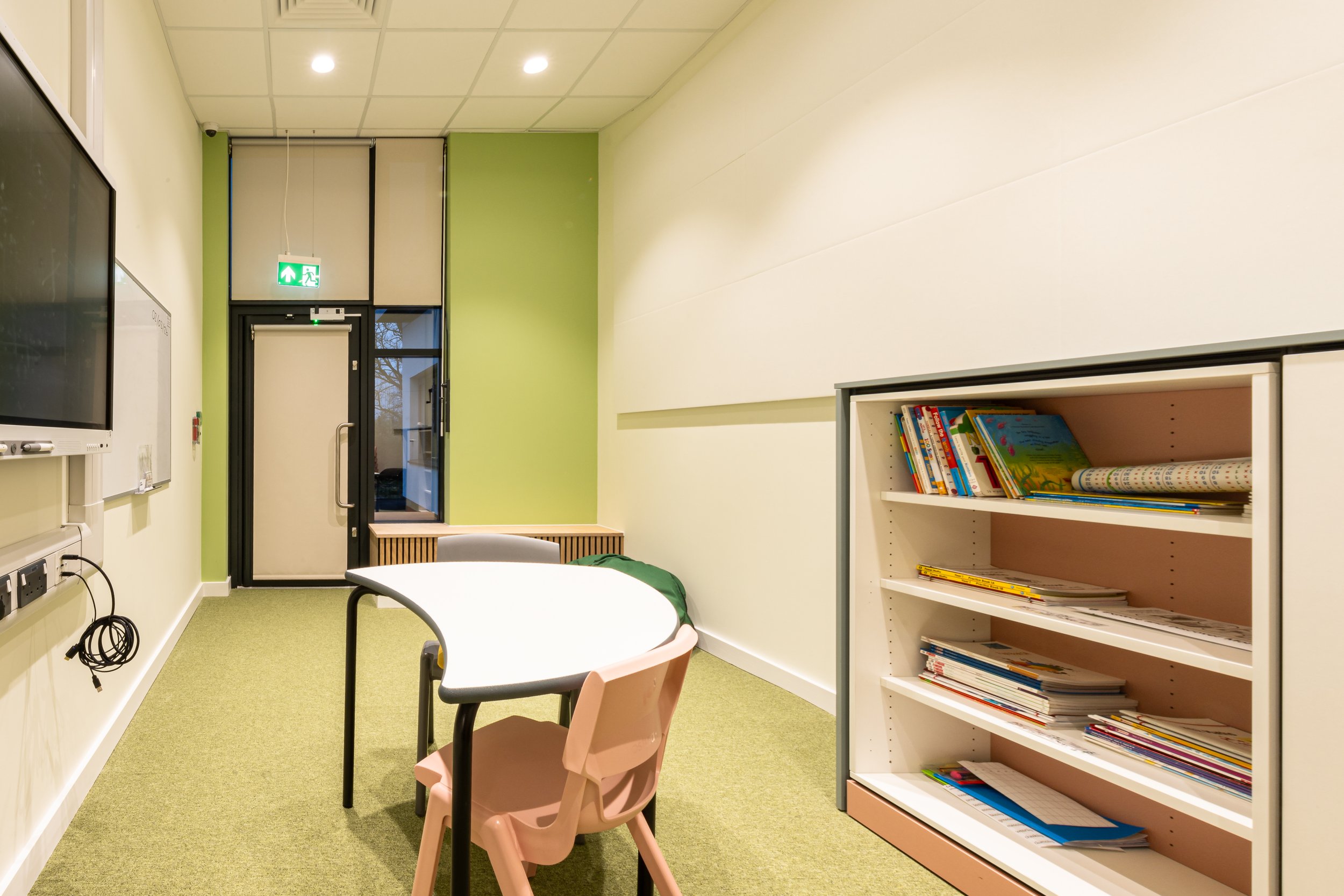
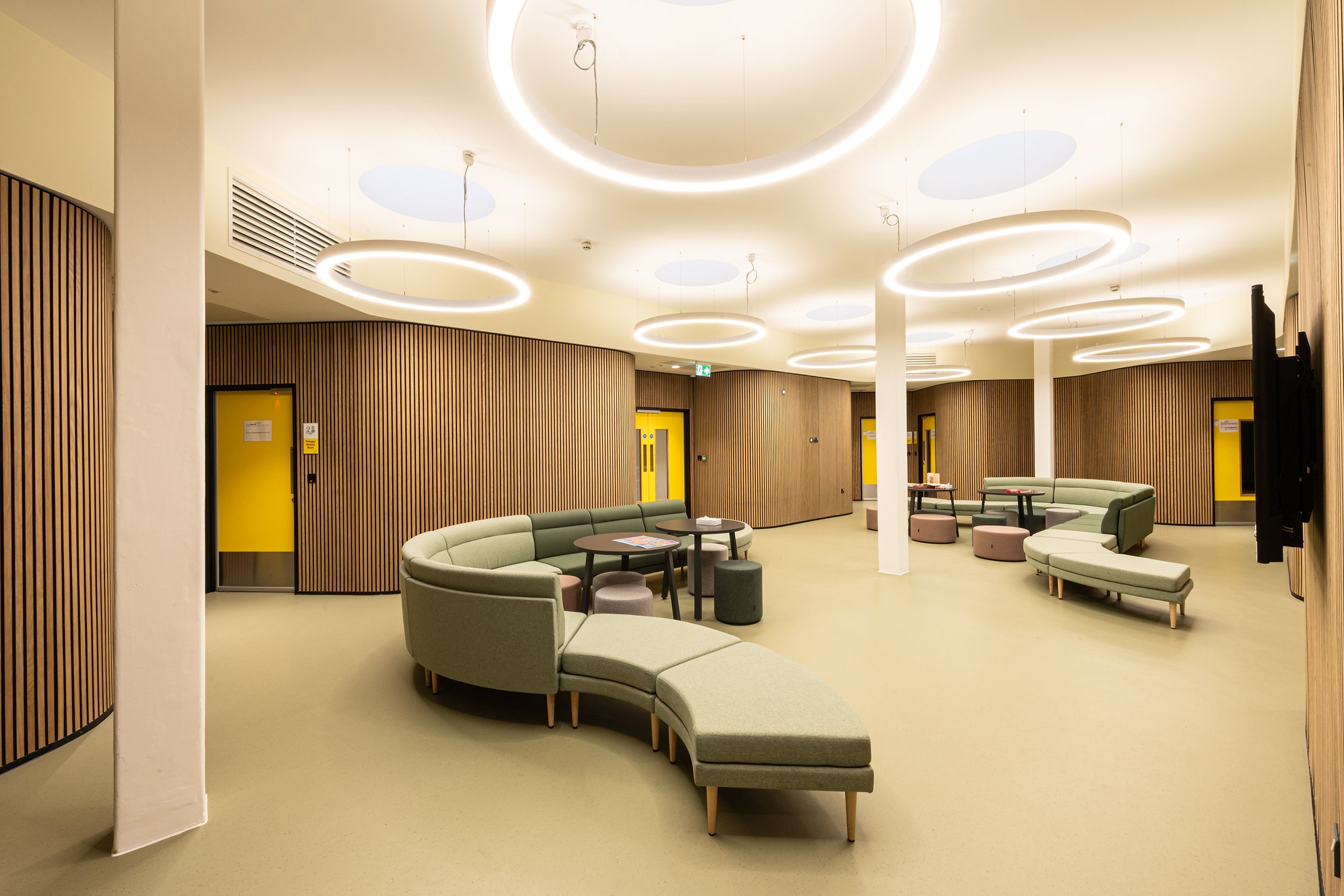
Working with the Space’s chosen operator, a brief was developed, comprising a series of 8 1:1 learning spaces and 4 support spaces that would wrap around a central social hub. All rooms were to be warm, inviting, calming and unlike conventional learning environments.
A tall, single storey rectangular volume with regular, high windows arranged around the perimeter, the building informed a simple arrangement in which each 1:1 space would inherit a single window, leaving the central social hub space windowless.
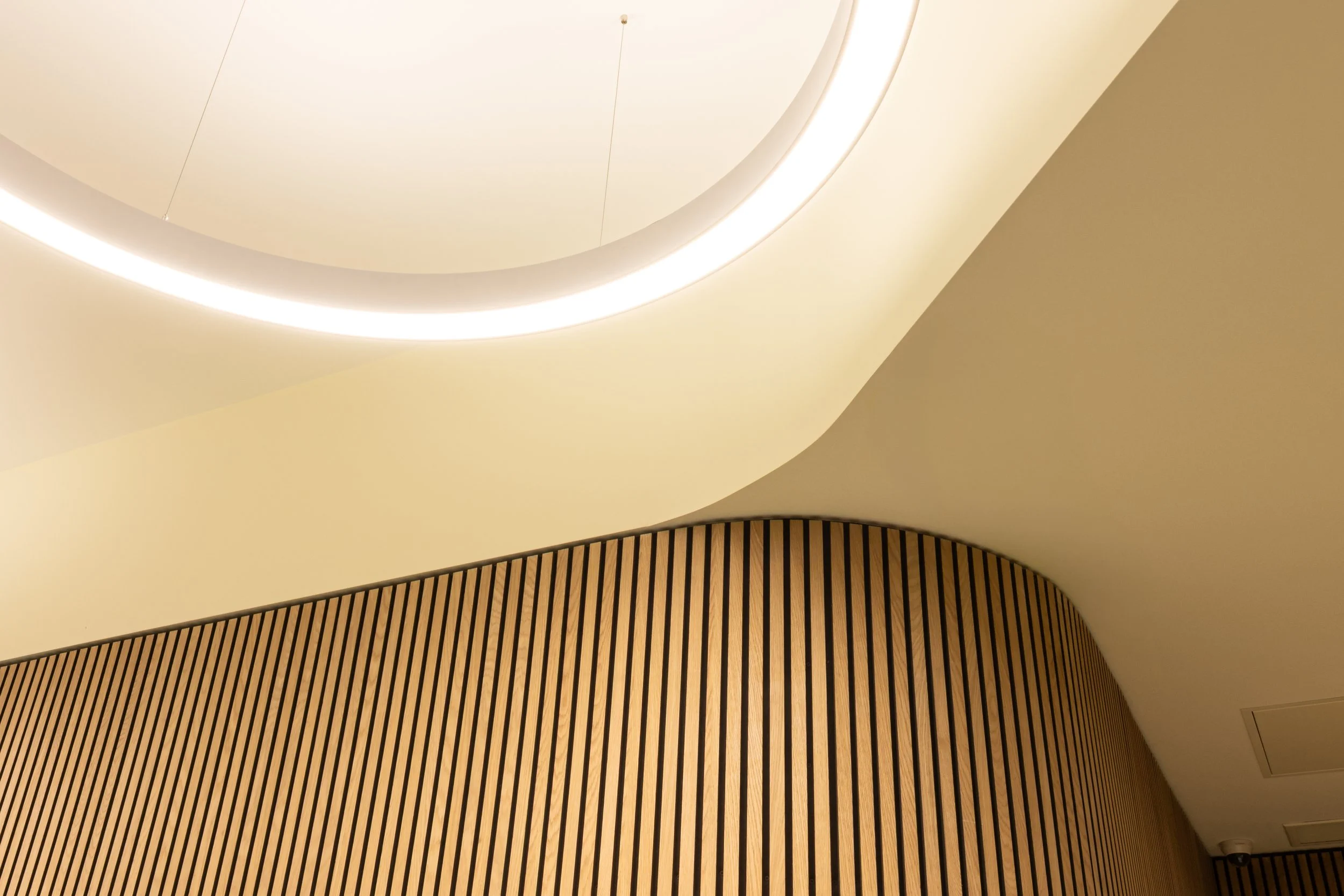
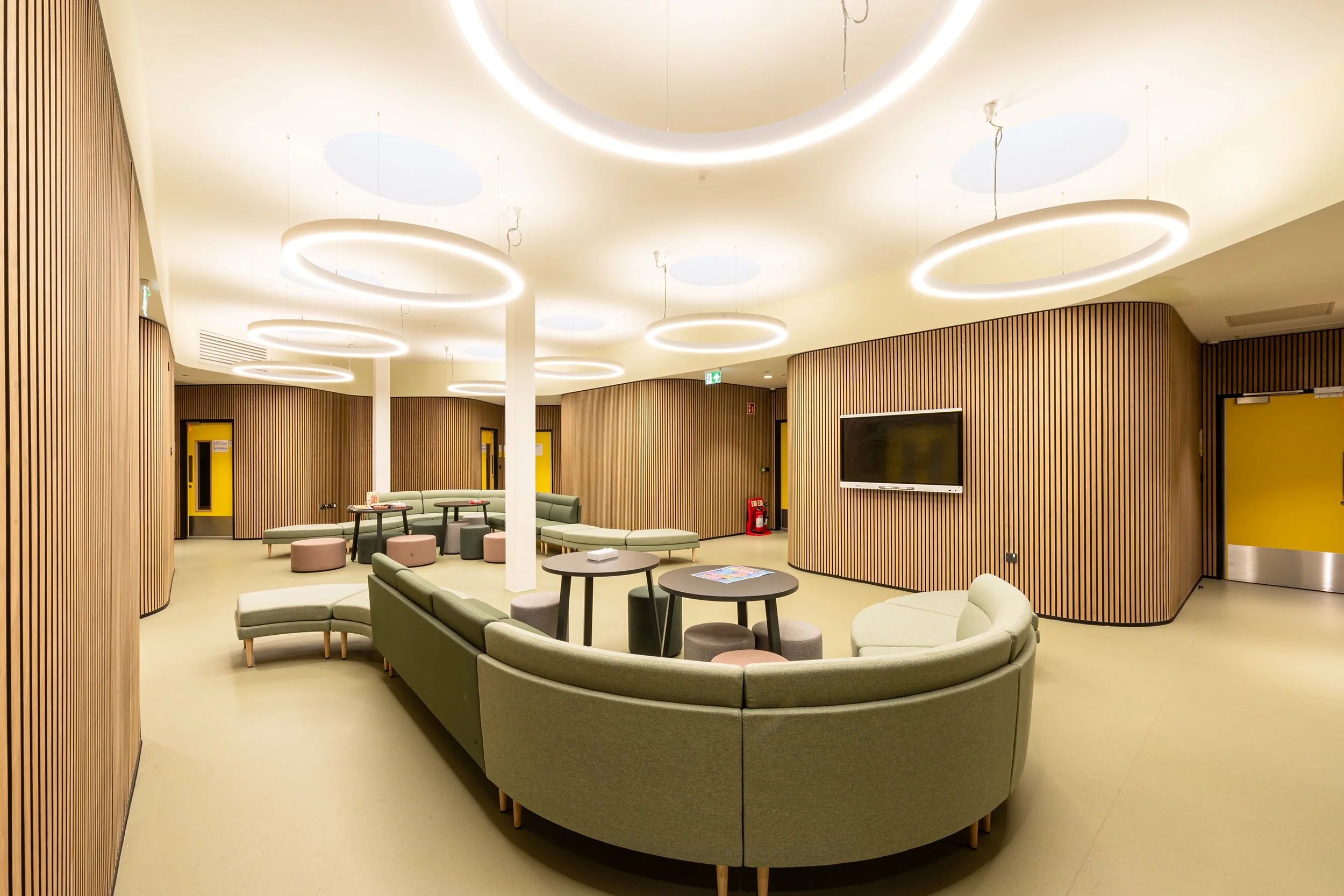
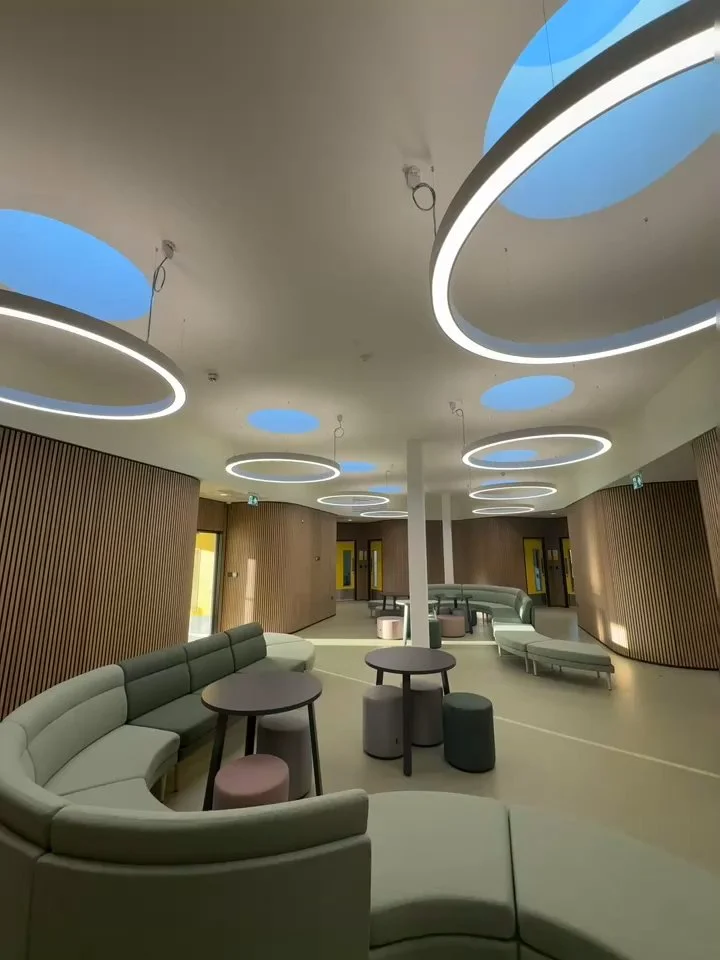
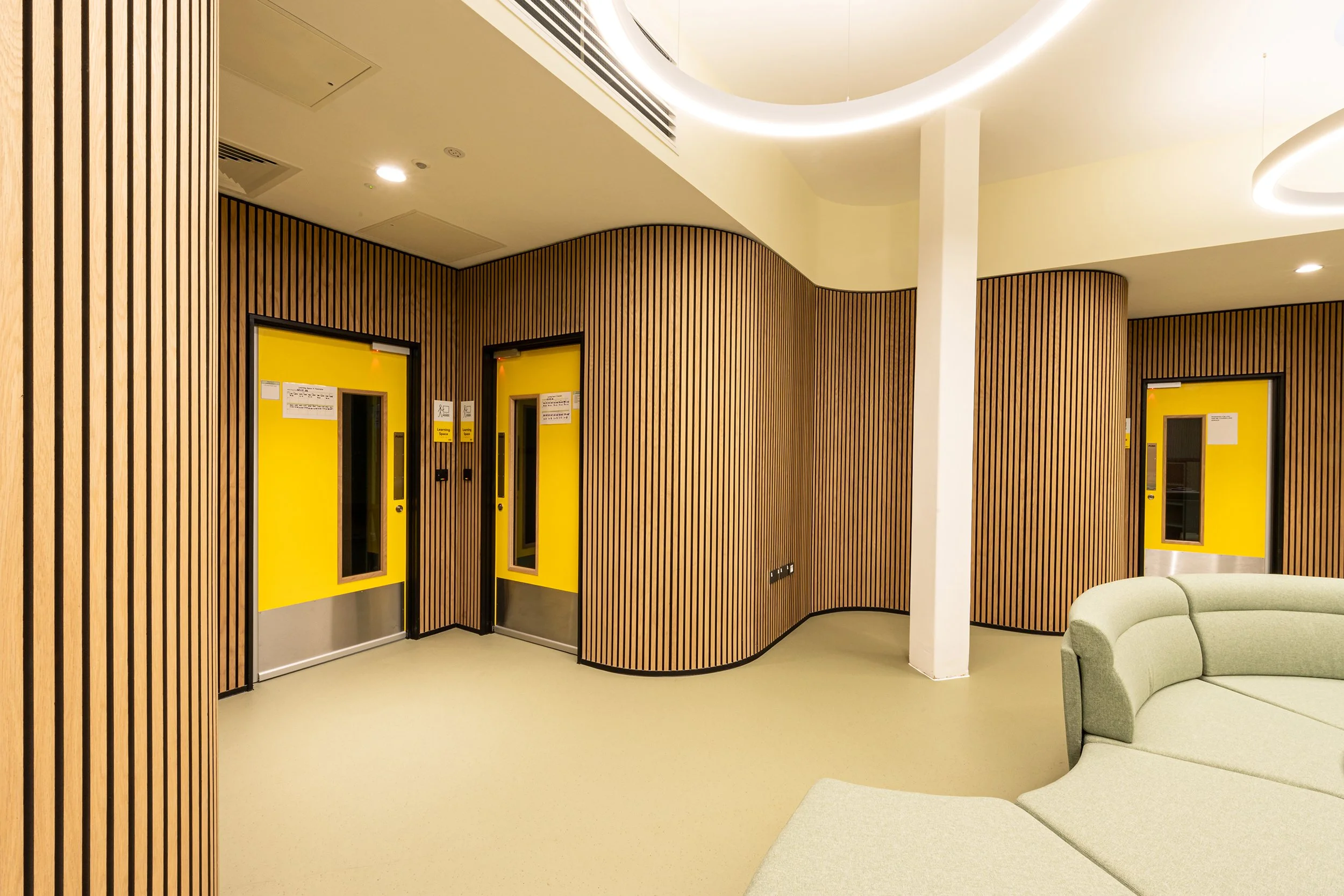
A series of circular roof lights were cut into the roof above the social hub, with glazed doors leading out onto an external garden area providing some views out from the space. Doors around the perimeter of the hub providing access to the 1:1 rooms were grouped and angled away from the central volume to enable an efficient plan form in which the hub’s walls could form a more persistent, legible wrapping of the space. The walls were gently curved and lined with an acoustic timber batten system. Light fittings and furniture were selected to compliment the gentle geometry of the space.
In the 1:1 rooms, the external windows were cut down to ground level with new windows an window seats and with doors introduced to provide direct escape / free flow to external garden areas on either side of the building; containing play equipment on one side for the younger pupils and landscaped seating with raised planters on the other side for older pupils.
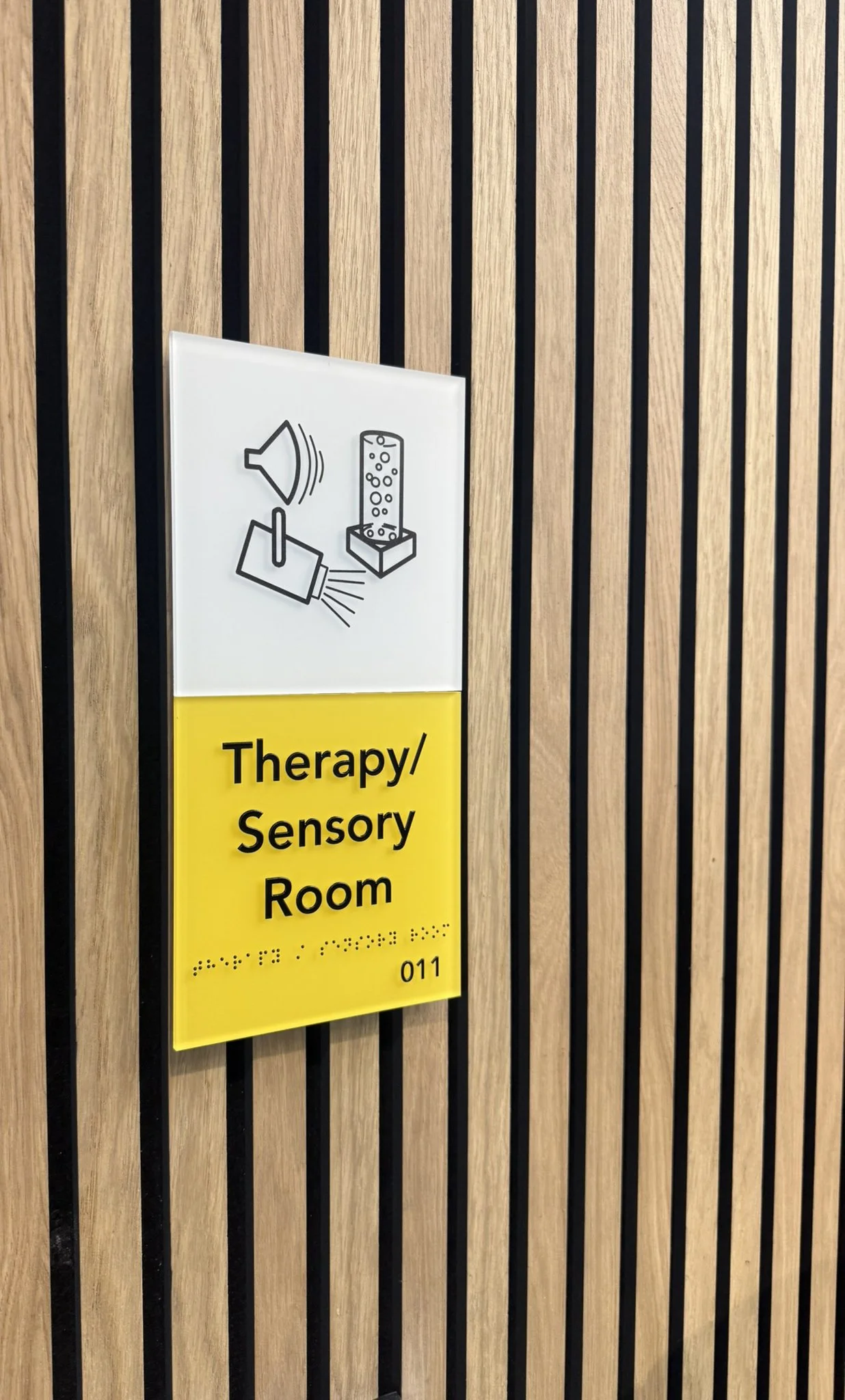
Two support spaces to the rear of the building were designed for therapy and sensory sessions, whilst their mirrors, to the front of the building were designed as a pupil-accessible kitchen and a hygiene room.
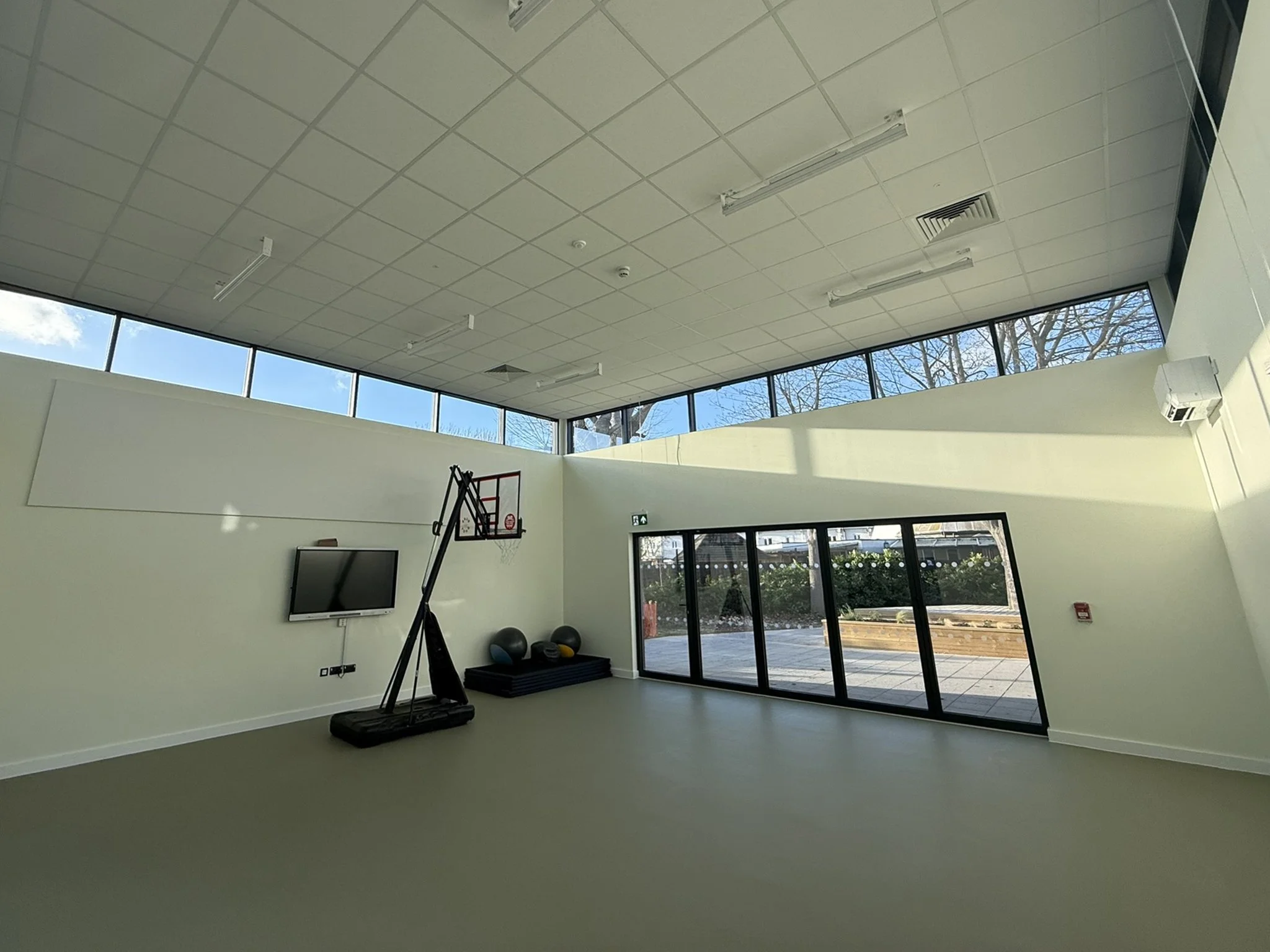
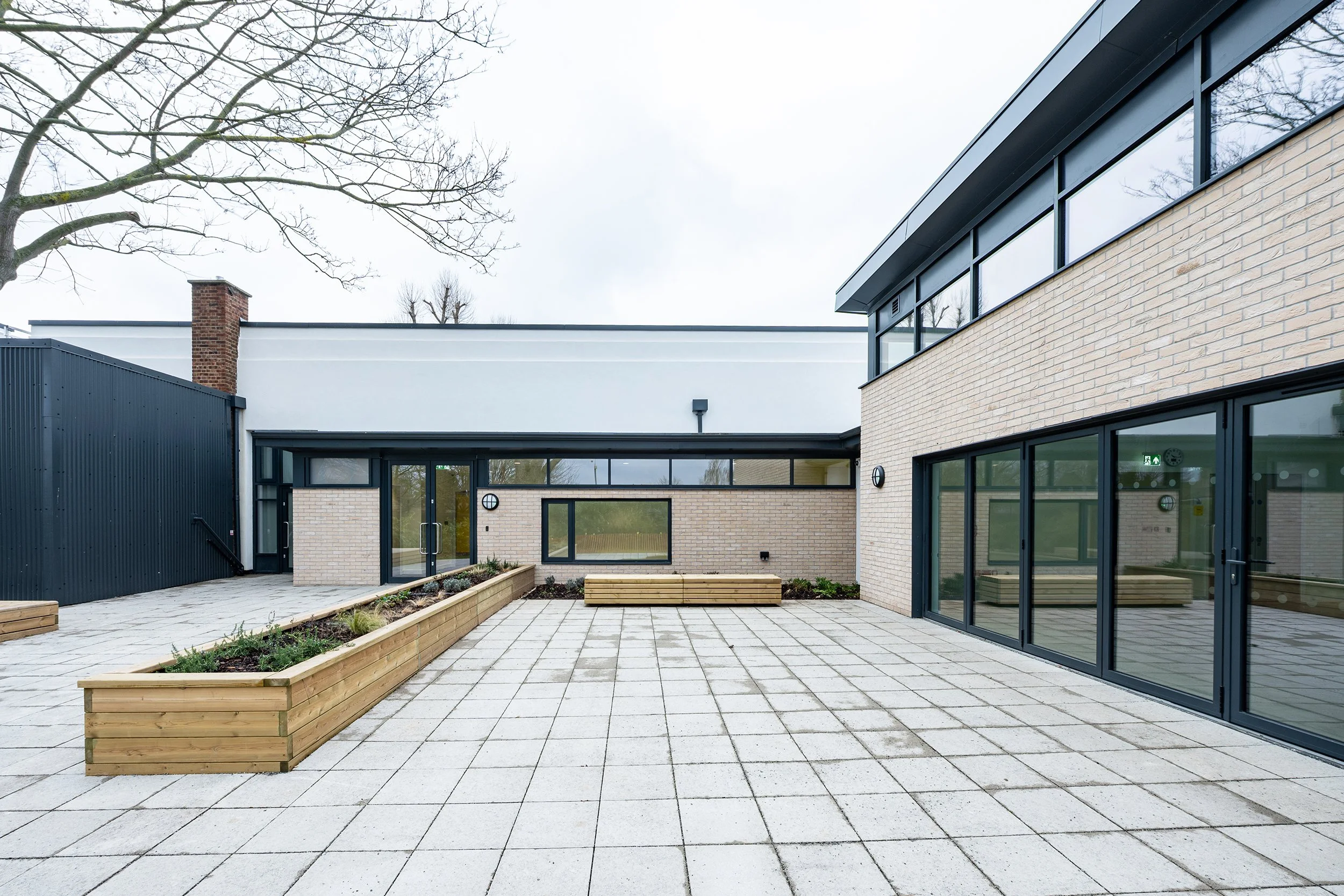
The surviving slab to a former but since demolished adjoining children’s library room was built upon to provide a modestly sized gym / multi-function hall with wrap-around clerestory glazing and with folding doors opening out onto a rear garden with patio area, raised planters and mature trees. A new corridor was constructed to link the hall back to the social hub, with a small bank of ancillary accommodation being tuned into an art room with views into the park adjoining the site, and pupil WCs.
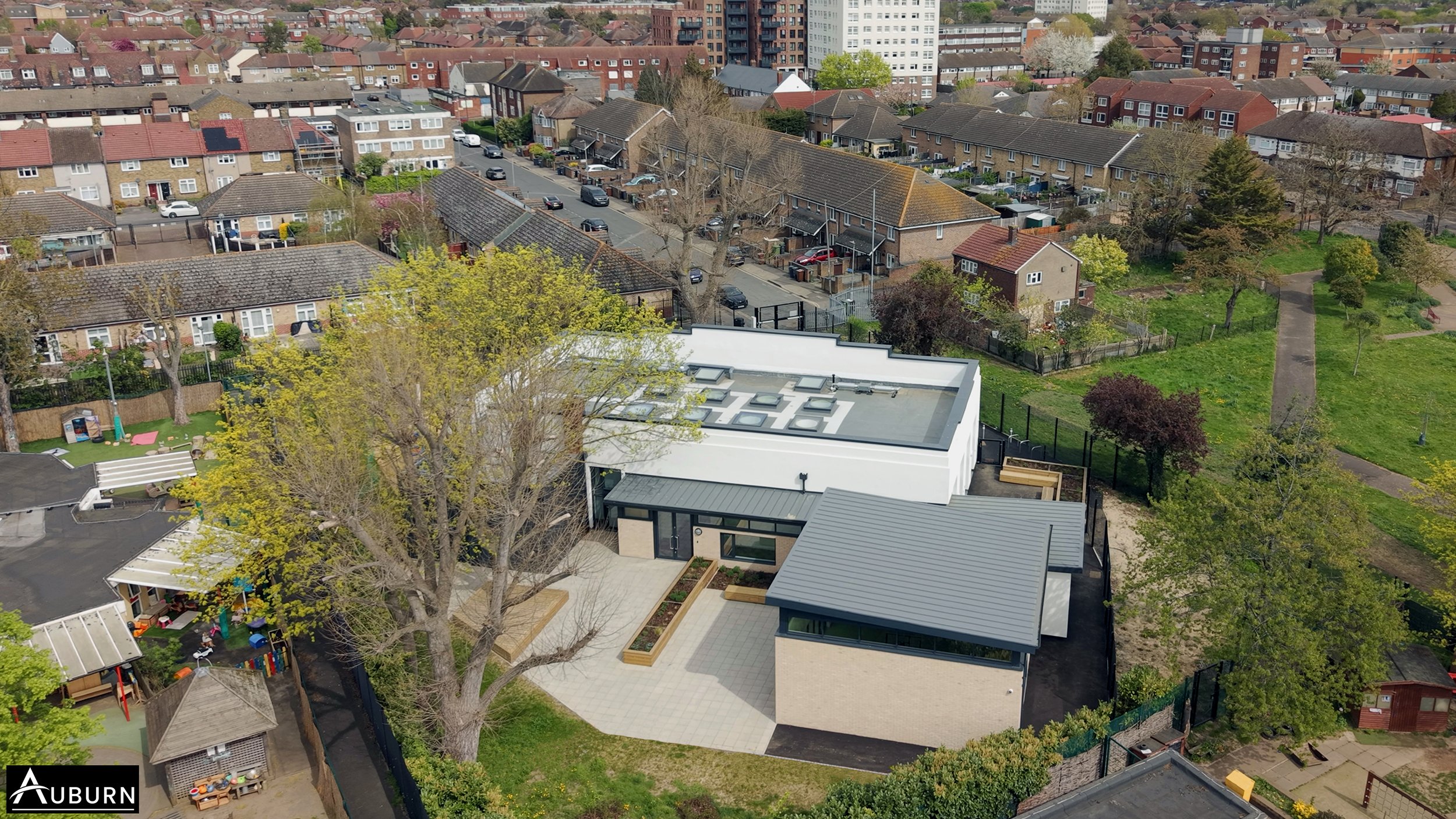
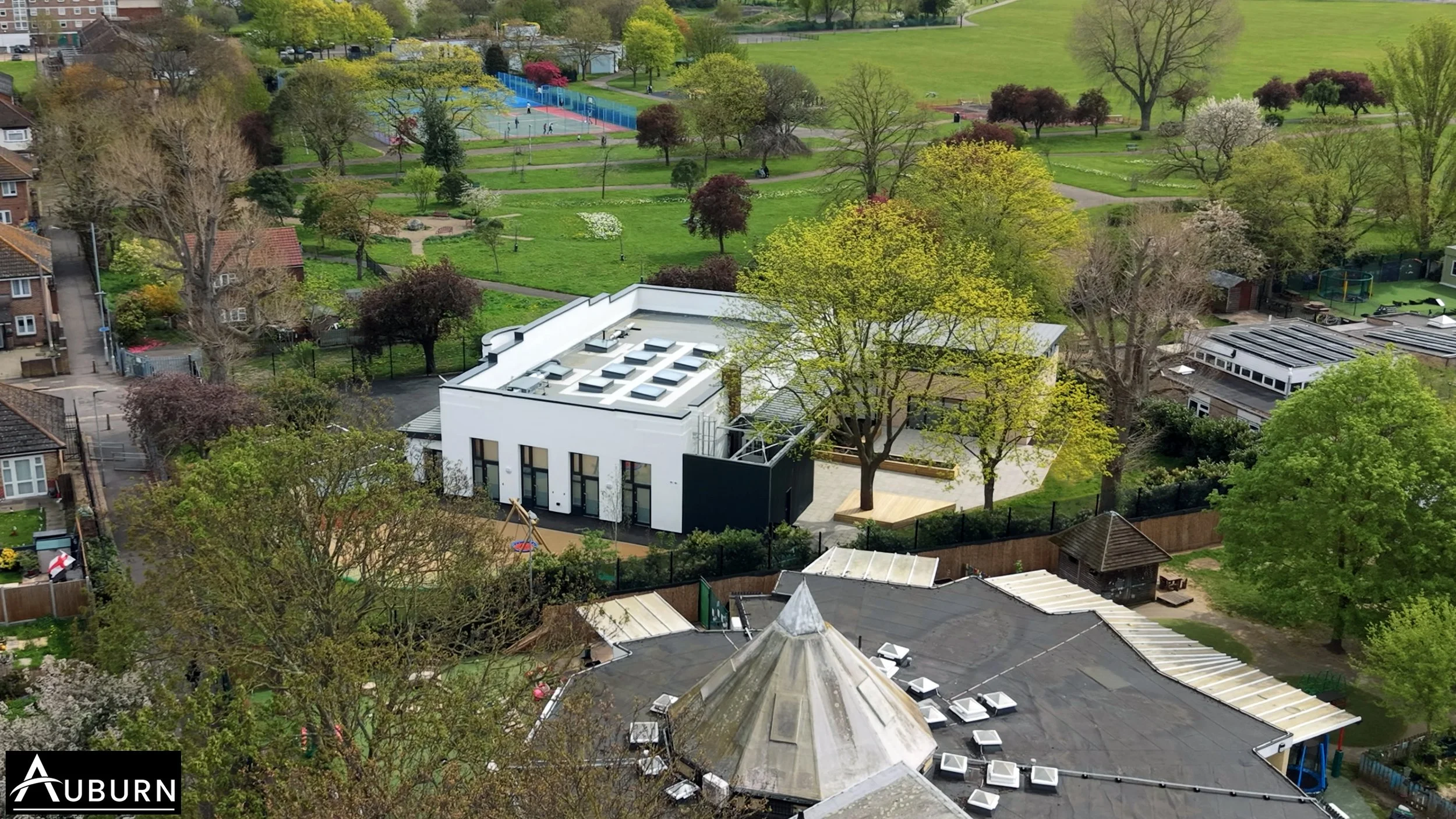
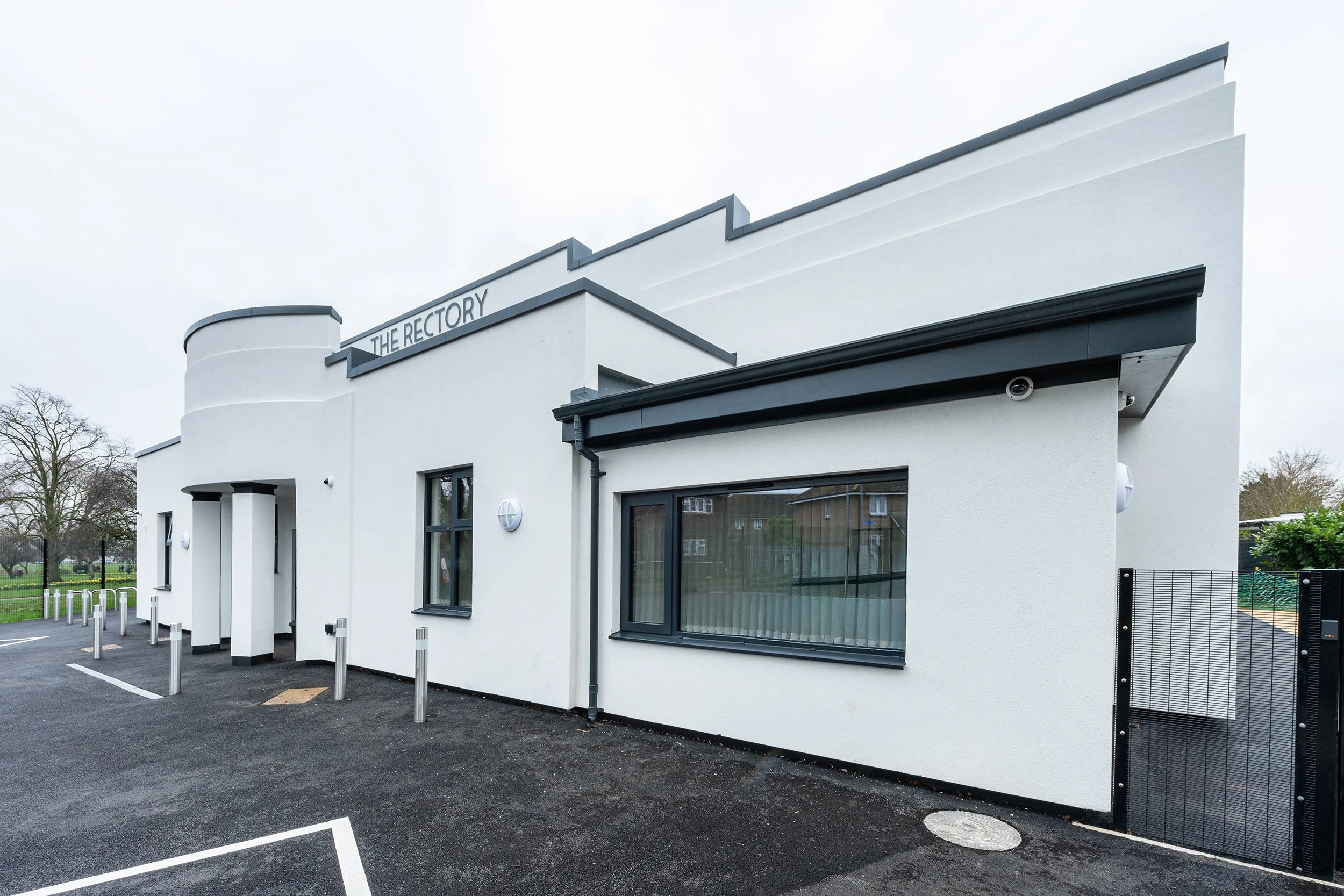
Modest ante rooms on either side of the main library volume were converted to provide an administrative office and a staff room with kitchenette. Externally, the library was reclad with an insulated render system in the style of the 1960s-applied, art deco-inspired stepped facades.




Pinn River School
In short:
Despite the significant constraints of the Grangewood site, the resulting design establishes a highly inclusive and carefully integrated educational environment that responds sensitively to the diverse and complex needs of its pupils. By combining the Eden Academy Trust’s established pedagogic principles with a bespoke spatial strategy for MSI learners, the proposal successfully balances inclusion, legibility, therapeutic support and sensory regulation within a compact footprint. The school’s arrangement of learning hubs, courtyards and external play spaces creates a calm, adaptable and connected environment that promotes independence, wellbeing and meaningful participation for all pupils across the school community.
In long:
The Eden Academy Trust had applied to the DfE for funding for two schools – a primary school, Grand Union Village School, to be located in the south of the borough of Hillingdon, to complement their existing secondary school capacity, and a through school in the north of the borough to replace their dilapidated all-age building. The story of Gand Union Village School can also be found on this website.
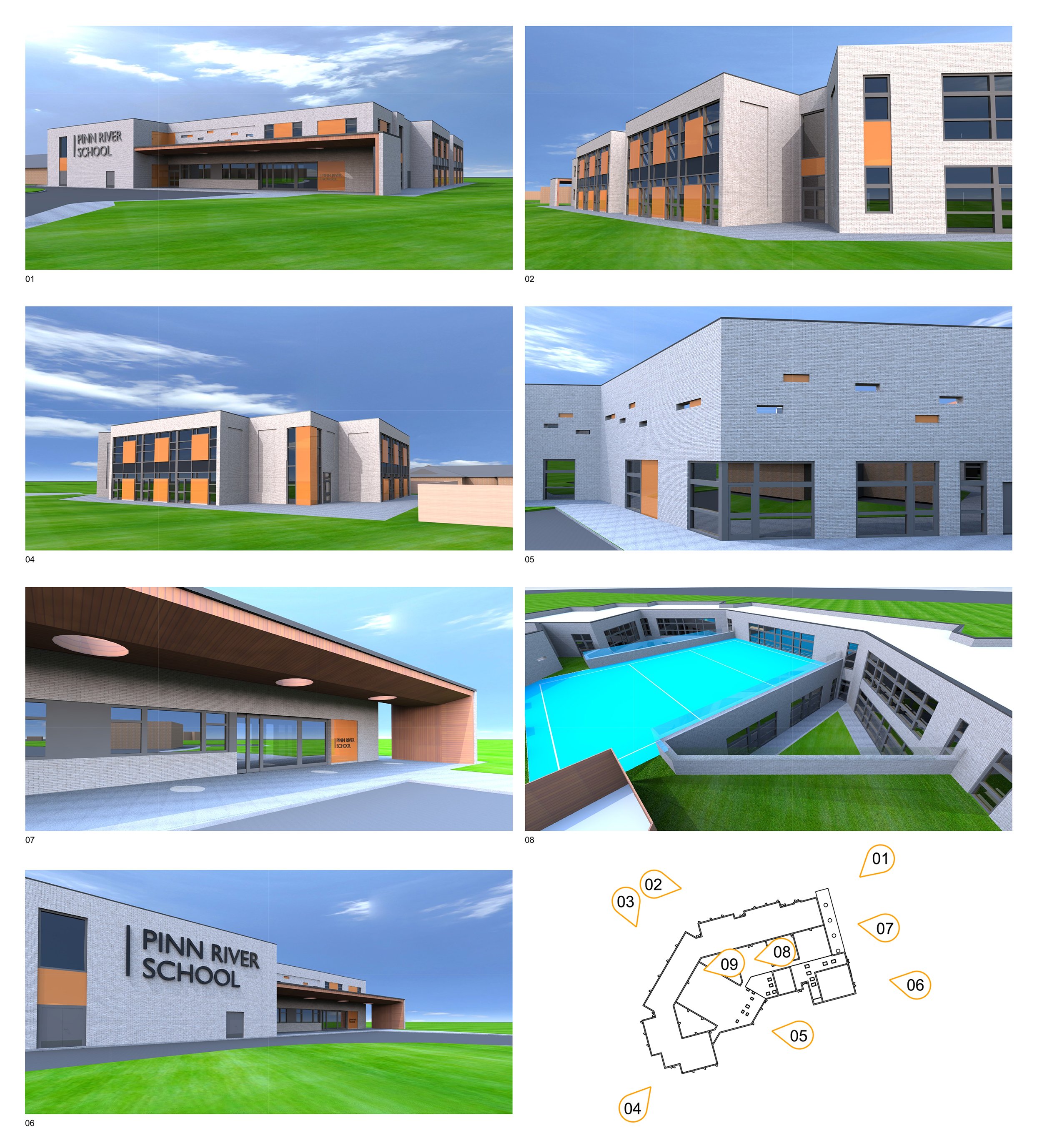
The Pinn River school is located on the site of the former Grangewood school; providing places for children with Severe Learning Difficulties, Autism, Profound and Multiple Learning Difficulties and Multi-Sensory Impairment.
As the feasibility stage of the project began, the RNIB were in the process of coordinating arrangements for the Eden Academy Trust to take over the schooling of its last-remaining SEND school for MSI pupils located in the borough.
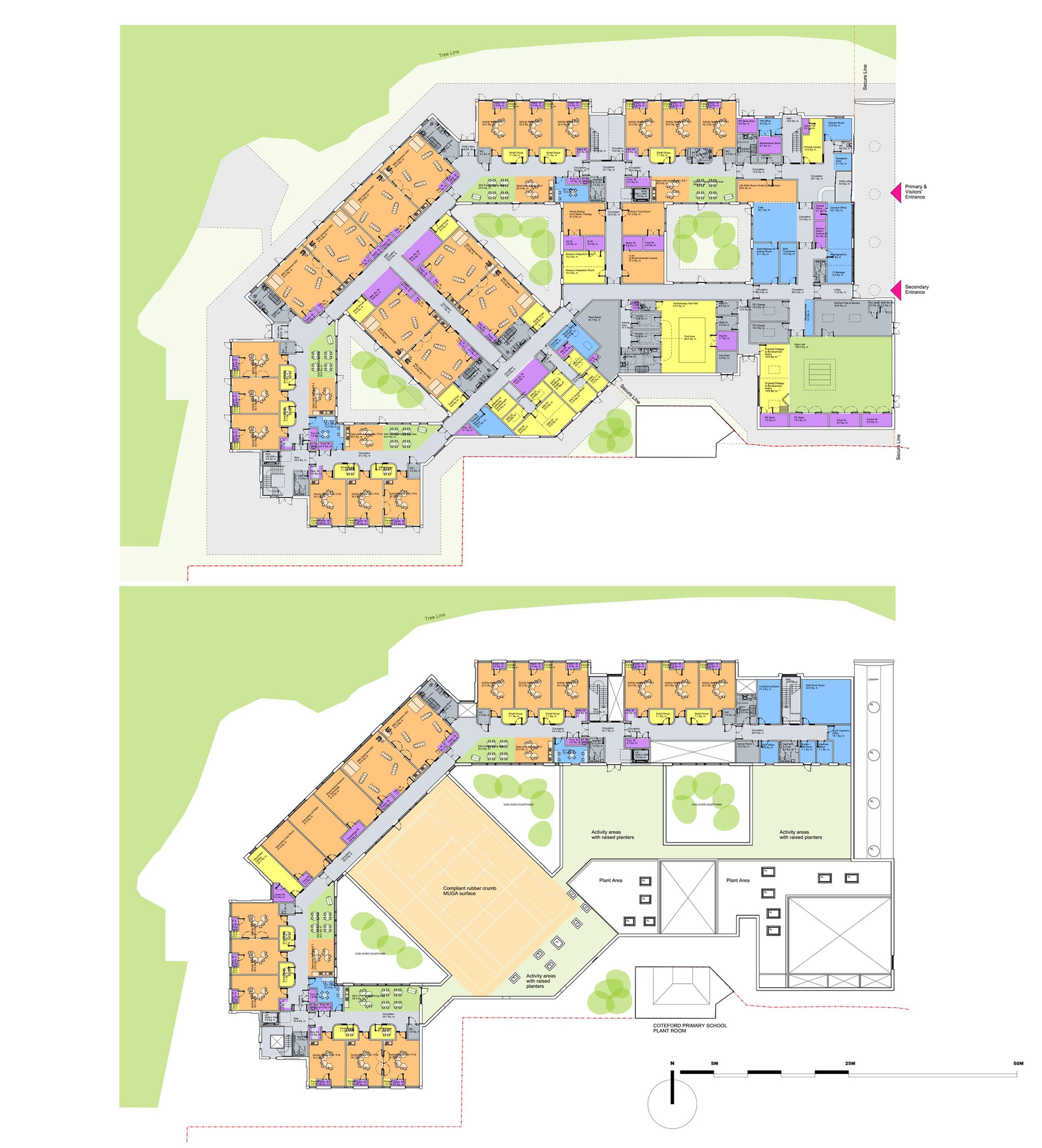
As described in the story for Grand Union Village School, the design concept for the school was originated in a forensic analysis of the Trust’s pedagogic, organisational and operational practices and extensive dialogue with key stakeholders including departmental staff, the school and Trust leadership and parents and carers. However at the Grangewood School site, the emerging building ‘typology’ was challenged by the prevailing site conditions, including a narrow ‘entrance’ frontage, a SSSI designation on the greenbelt woodlands surrounding the building, a heavily constrained developable land parcel, an adjacent, ‘live site’ primary school and, most importantly, by the need for the RNIB’s MSI school students to be embraced within the wider staff and student cohort, whilst preserving their highly specialist environmental requirements.
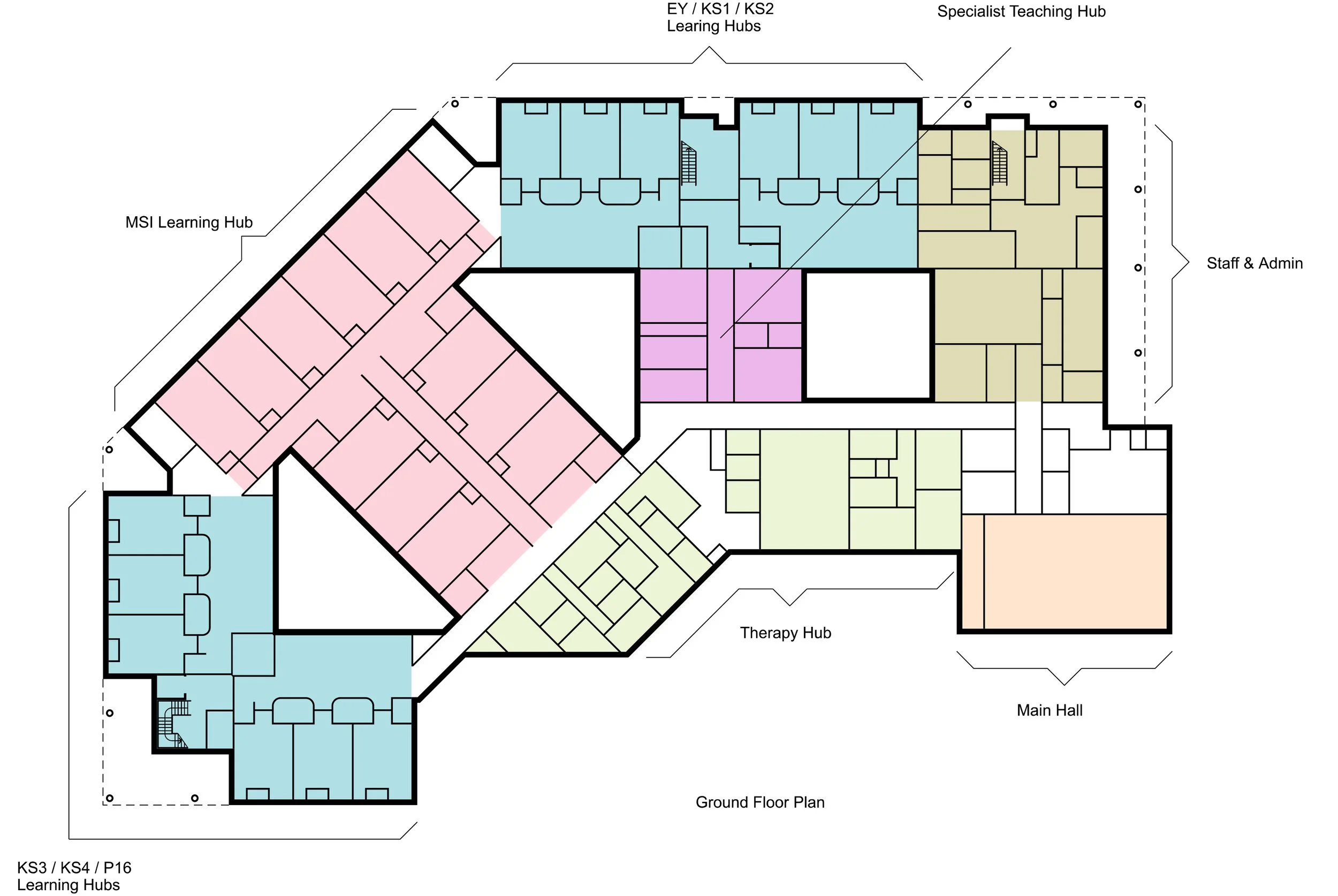
In essence, to maximise the potential for inclusion, the MSI cohort (all-age), needed to be collocated with every appropriate sub-group within the general school population, be adjacent to the therapy hub, have a recognisable (legible) location within the building and be easily and directly accessible from the school’s main entrance.
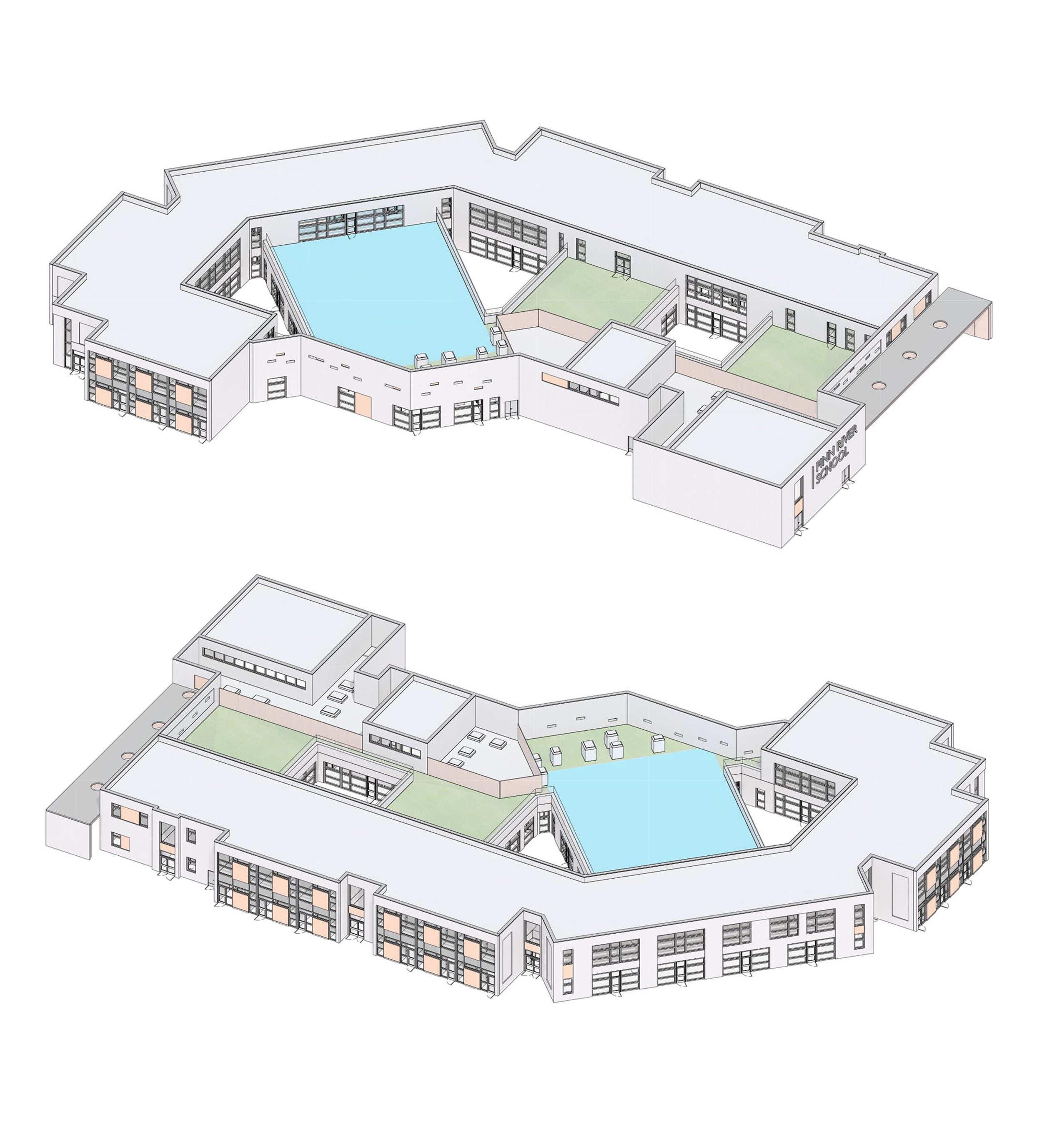
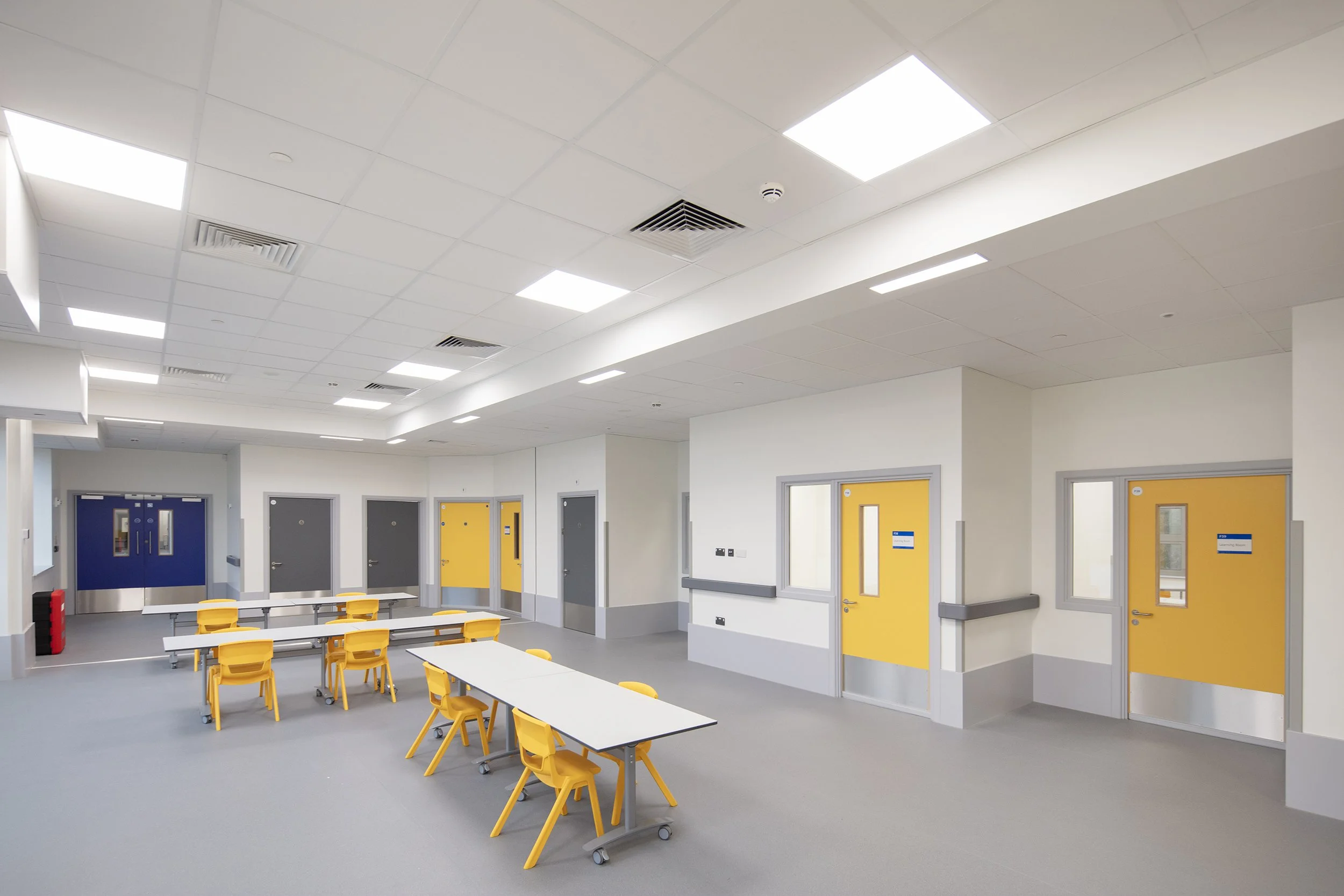
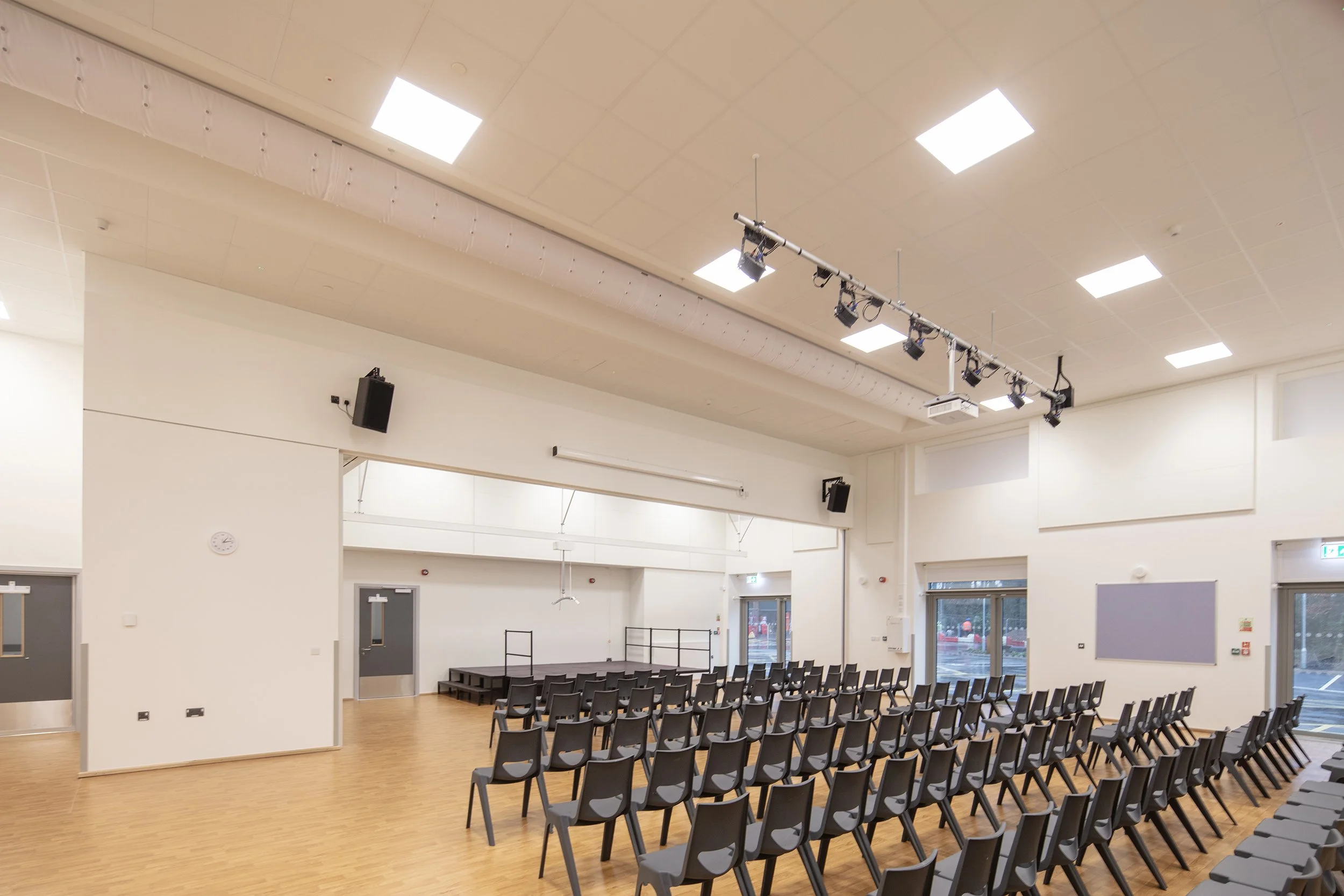
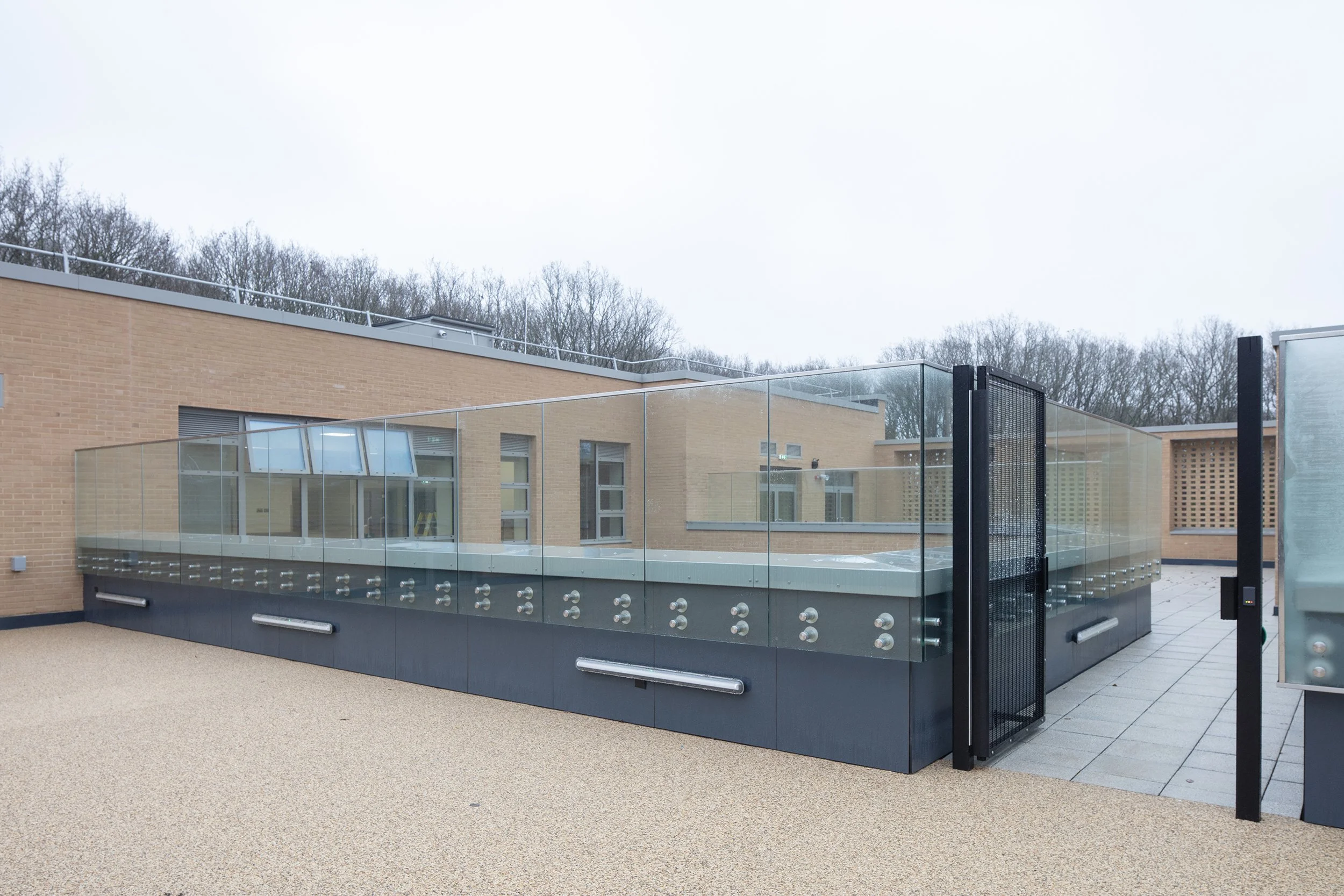
A design capacity of 180 pupils meant that a two-storey building solution would be inevitable. However, the sensory design approach – the Grand Union Village School learning hub model, with its suites of cellular and open-plan, family dining areas, clear transition zones and circulation route redundancy were folded around an MSI hub, therapy hub and hall suite. Three pocket courtyards were introduced to separate the domains and provide both daylight and valuable opportunities for safe, passively-supervisable escape / calm / play spaces. Learning hubs at first floor level mirror the ground-level provision at each key stage, but are situated only along the north side of the building, with first-floor, external play decks maintaining the provision of essential free-flow adjacency throughout the building.