
Exciting news for Brookleigh!
Planning Consent Granted
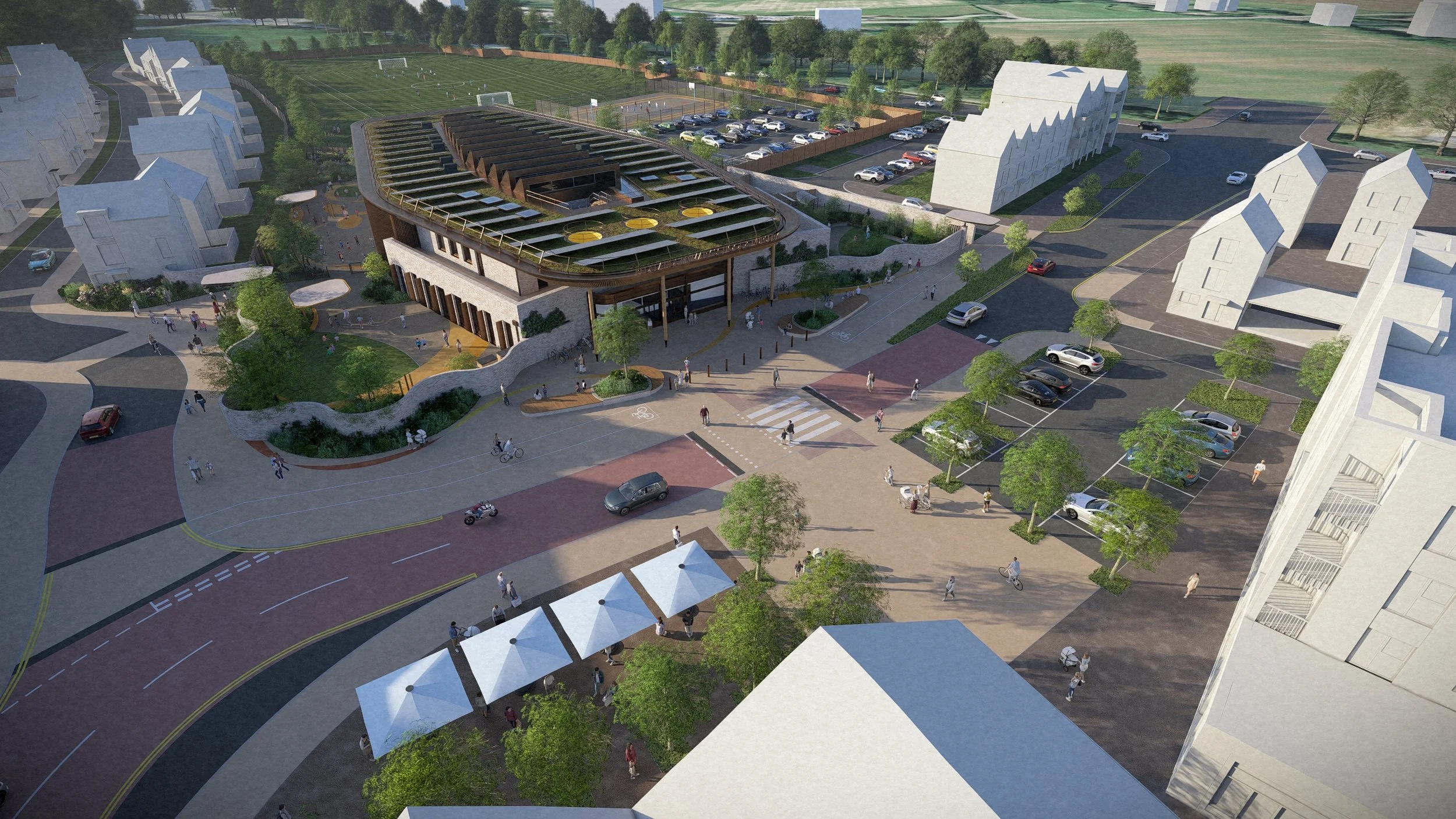
June 2026 - Planning Consent Granted for Brookleigh Primary School
Plans for Brookleigh Primary School have received unanimous planning approval at Mid Sussex District Council's District Planning Committee on 28 May 2026.
The new school, located to the east of Isaacs Lane, will provide 420 student places, alongside a 52-place nursery and a 16-place Special Support Centre. As a two-form entry school, it will support two classes per year group.
This marks a proud first for Homes England as master developer, directly delivering new school places for the Brookleigh community.
The proposals have been shaped through extensive collaboration with stakeholders and the local community, following the principles set out in the Revised Brookleigh Design Guide. The result is a thoughtfully designed school that combines educational excellence with strong civic identity and sustainable design.
Positioned within the emerging Eastern Neighbourhood Centre, the school will play a key role in strengthening the wider Brookleigh masterplan - enhancing connectivity, public spaces and local character.
Every aspect of the scheme has been carefully considered, from building orientation and materiality to landscaping and accessibility, ensuring the school promotes well-being, safeguarding and educational attainment for future generations.
Importantly, the project also supports West Sussex County Council’s Net Zero Carbon ambitions, delivering an energy-efficient and environmentally responsible facility designed for long-term resilience.
Brookleigh Primary School represents more than just a new educational building - it sets a benchmark for high-quality, sustainable placemaking and creates a lasting community asset for generations to come.
An environment built around pupil needs
An environment build around pupils needs
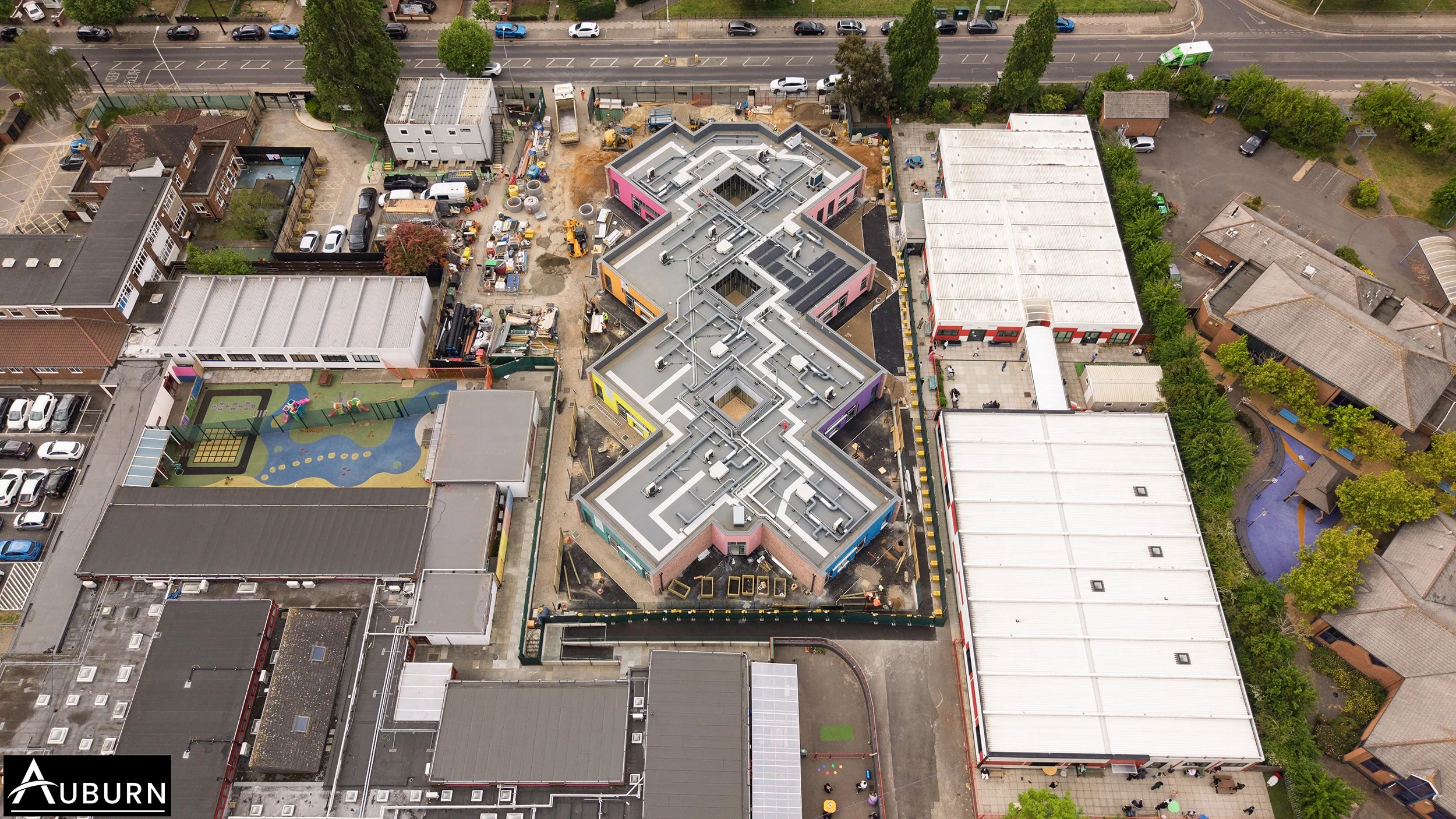
May 2026 - Trinity School’s new Living and Learning Centre
Opening in May 2026, the new facility for Trinity School represents a significant investment in creating a more inclusive, therapeutic and pupil-centred learning environment for LLC pupils.
Designed in response to increasingly complex and evolving needs, the scheme places safety, dignity and personalised learning at the heart of the design. A highly adaptable layout allows pupils to access tailored educational support while encouraging gradual integration into the wider school community.
The innovative clustered arrangement creates smaller, nurturing learning settings supported by a resilient circulation strategy and carefully planned relationships between indoor and outdoor spaces. Together, these elements help establish a calm, flexible and supportive environment that promotes well-being, confidence and engagement.
As well as addressing immediate educational needs, the project delivers a cohesive long-term solution to wider estate challenges, ensuring the school is equipped to support pupils for years to come.
The result is a forward-thinking facility that demonstrates how thoughtful, inclusive design can positively shape educational experiences and create meaningful opportunities for every learner.
Pinn River School Opened in January 2026
Pinn River School Opens January 2026
January 2026 - Reimagining Inclusion
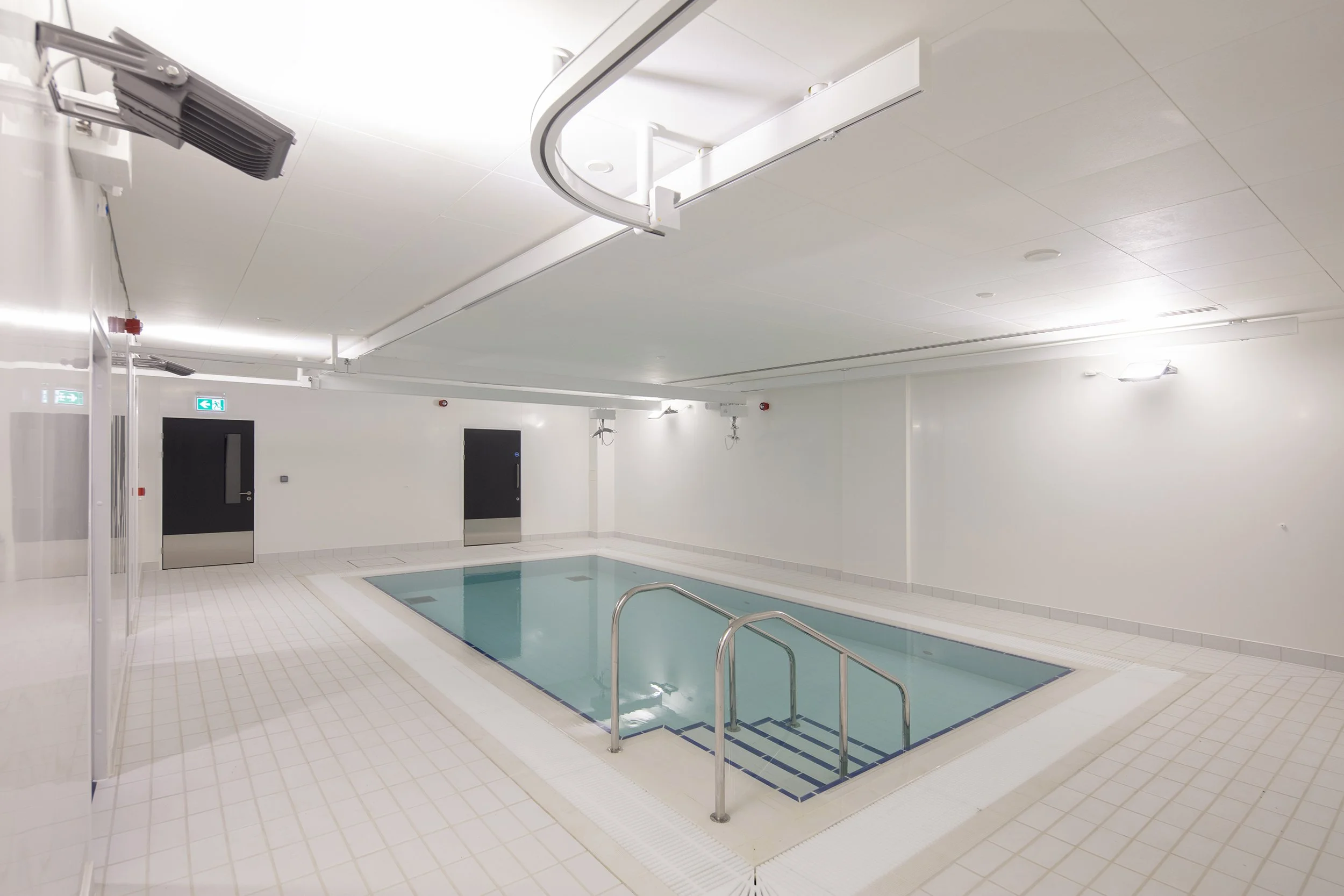
The Eden Academy Trust’s vision for specialist education in Hillingdon continues with the development of Pinn River School — a new purpose-built all-through SEND school opening to pupils in January 2026.
Located on the former Grangewood School site, Pinn River School will provide specialist places for children and young people with Severe Learning Difficulties (SLD), Autism, Profound and Multiple Learning Difficulties (PMLD), and Multi-Sensory Impairment (MSI).
Designed around inclusion and wellbeing, the school has evolved from extensive collaboration with Trust leaders, staff, parents, carers, and specialist partners including the RNIB. A key priority throughout the project has been creating an environment where MSI pupils are fully integrated within the wider school community, while still benefiting from highly specialist support spaces.
Despite a constrained site surrounded by protected woodland and neighbouring schools, the design creates a calm, accessible and highly legible learning environment. A series of sensory-focused learning hubs are arranged around dedicated therapy spaces, shared halls, and landscaped pocket courtyards that provide natural light, outdoor learning, and safe calm spaces.
With capacity for 180 pupils, the two-storey building combines specialist design with flexible teaching spaces, family dining areas, clear transition zones, and direct access to outdoor play terraces throughout the school.
Pinn River School represents a major step forward for inclusive specialist education in Hillingdon — creating a future-ready environment where every pupil can thrive.
A new beginning…
A New Beginning
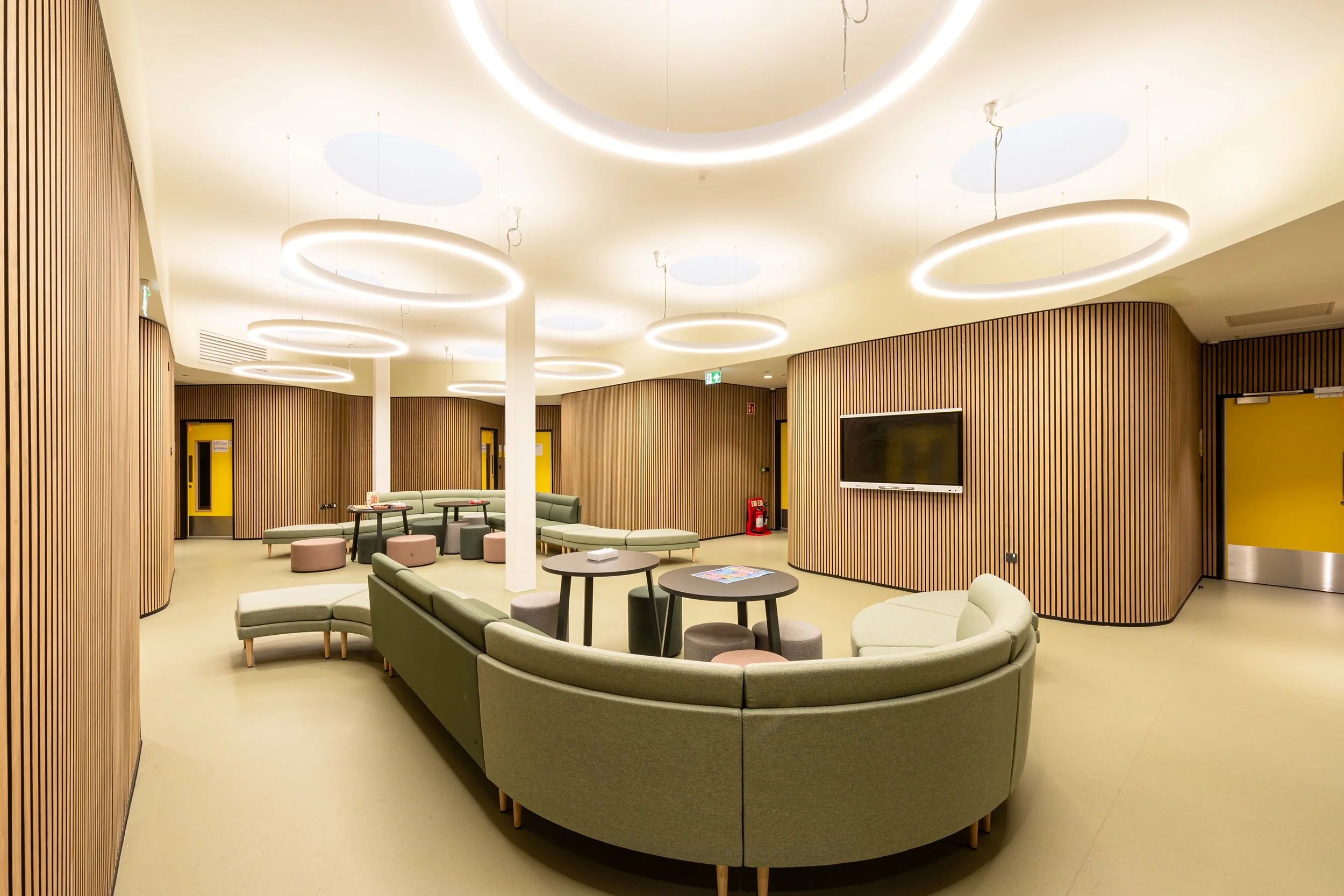
November 2025 - Transforming a Former Library into ‘The Rectory’
"Many thanks for a smooth design and build process. You have given us a fantastic building that will greatly benefit some of the most vulnerable children and young people."
Headteacher
In November 2025, this unique education and support facility officially opened its doors, marking a significant step forward in supporting children unable to access conventional school settings.
The project has transformed a neglected former library into a warm, welcoming and non-institutional environment focused on rebuilding confidence, routine and social engagement. Designed with care and sensitivity, the space provides a calm and supportive setting where young people can gradually reconnect with education at their own pace.
A strong emphasis was placed on therapeutic design principles throughout the scheme, balancing calming architectural language with adaptable learning spaces and meaningful connections to outdoor environments. The result is a safe and nurturing place that encourages participation, well-being and long-term progression towards sustained school attendance.
By integrating educational provision, therapeutic support and family-focused services within a single environment, the project demonstrates the powerful role thoughtful design can play in improving outcomes for some of the borough’s most vulnerable children and young people.
More than a refurbishment, the scheme represents a renewed sense of opportunity — creating a resilient, compassionate and inclusive place designed to support brighter futures.
Breaking the One-Box School Model
Not a school
October 2025 - Creating Spaces That Heal, Support and Inspire Learning
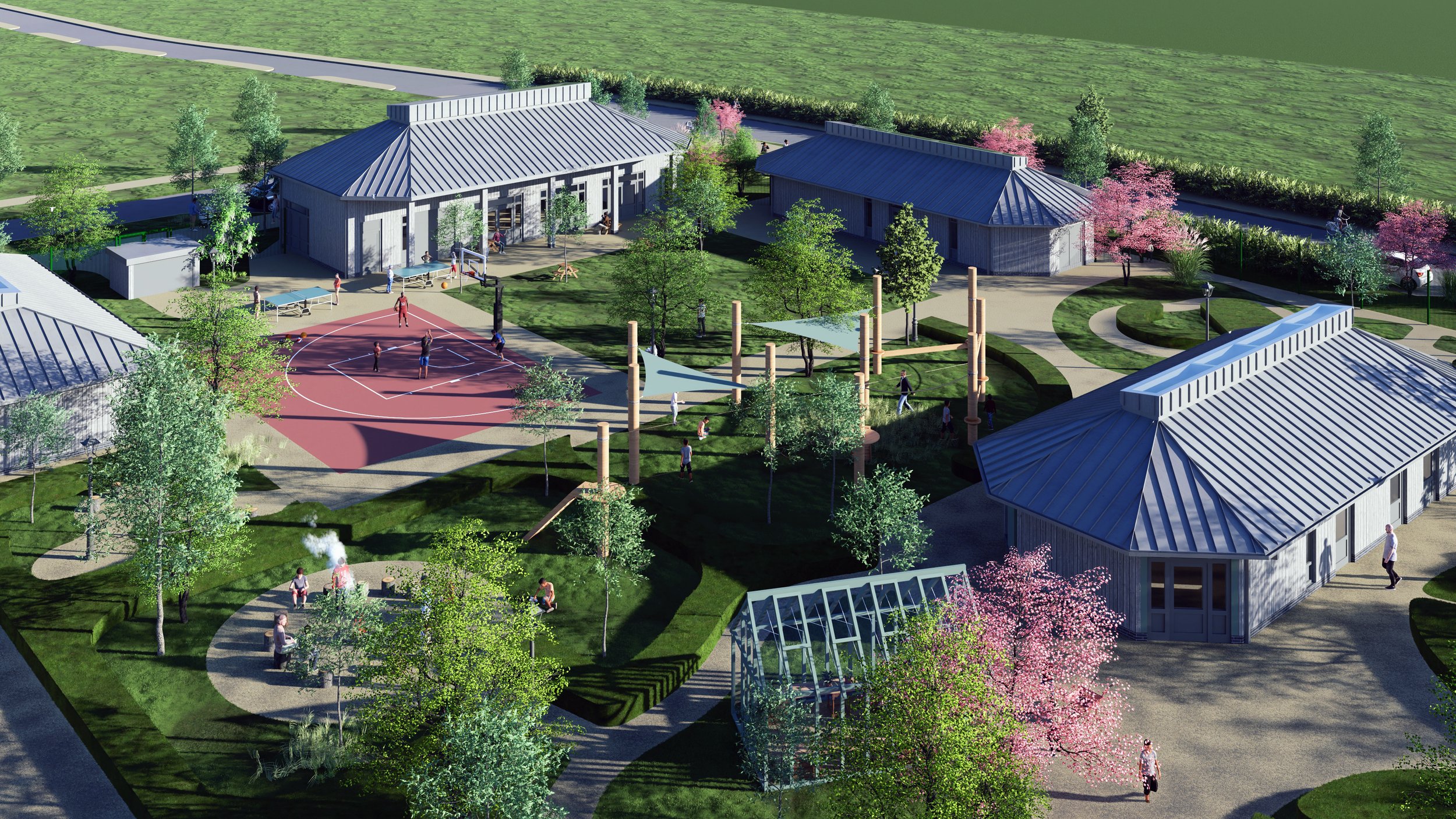
In October, a detailed planning application was submitted for a new specialist education provision in Essex - a project shaped by a fundamentally different way of thinking about learning environments.
Developed in close dialogue with Omnia and informed by their educational philosophy, the design is driven by the concept of “pavilions within a landscape.” Rather than creating a single institutional building, the proposal reimagines the school as a collection of smaller learning hubs carefully arranged within a richly landscaped setting.
At its heart, the scheme challenges the conventional image of a school. Traditional educational buildings can often carry difficult associations for pupils whose previous experiences of education may have been negative or overwhelming. In response, the design deliberately avoids the familiar “one-box” school typology, instead breaking the accommodation into a series of smaller pavilions.
These hubs are designed to feel less like institutional buildings and more like naturally occurring elements within a landscape - calm, approachable and human in scale. Importantly, pupils arriving at the school are welcomed first into the landscape itself, not directly into a building. The outdoor environment becomes an active part of the learning experience, offering students the choice to remain outdoors to learn, regulate and settle before entering internal spaces when they feel ready.
The organisation of the site has been carefully considered around sensory experience and levels of ambient stimulus. As the campus moves from east to west, activity levels gradually increase, allowing pupils to navigate spaces that best support their needs throughout the day.
To the east of the site, three Twin Classroom Hubs are positioned between productive kitchen gardens and allotments on one side, and quieter reflective gardens on the other. These calmer spaces are intentionally separated from the more active gardening areas, with the learning hubs themselves helping to create this balance.
At the centre of the campus sits the Specialist Classroom and Therapy Hub - the connective heart of the school. This pavilion enjoys direct relationships with a variety of outdoor learning and wellbeing spaces, including sensory gardens, bushcraft and firepit areas, agility and regulation zones, and the kitchen gardens to the east.
Towards the western edge of the site, the Hall Hub and Changing Hub support more social and active uses. These pavilions frame informal gathering spaces, table tennis areas, hard-surfaced activity zones and a basketball half court, while the Changing Hub also provides access to the adjacent 3G football pitch.
The Staff and Administration Hub is intentionally positioned at the periphery of the pupil environment, reinforcing the child-centred nature of the campus. Aside from necessary welfare access, pupils are not required to engage with administrative spaces during the school day.
Ultimately, the proposal represents far more than a collection of buildings. It is an exploration of how architecture, landscape and education can work together to create environments that prioritise wellbeing, agency and belonging - offering a more compassionate and supportive model for specialist learning.